Life after a hate crime
The Recovery of DaShawn Horne
About the Project
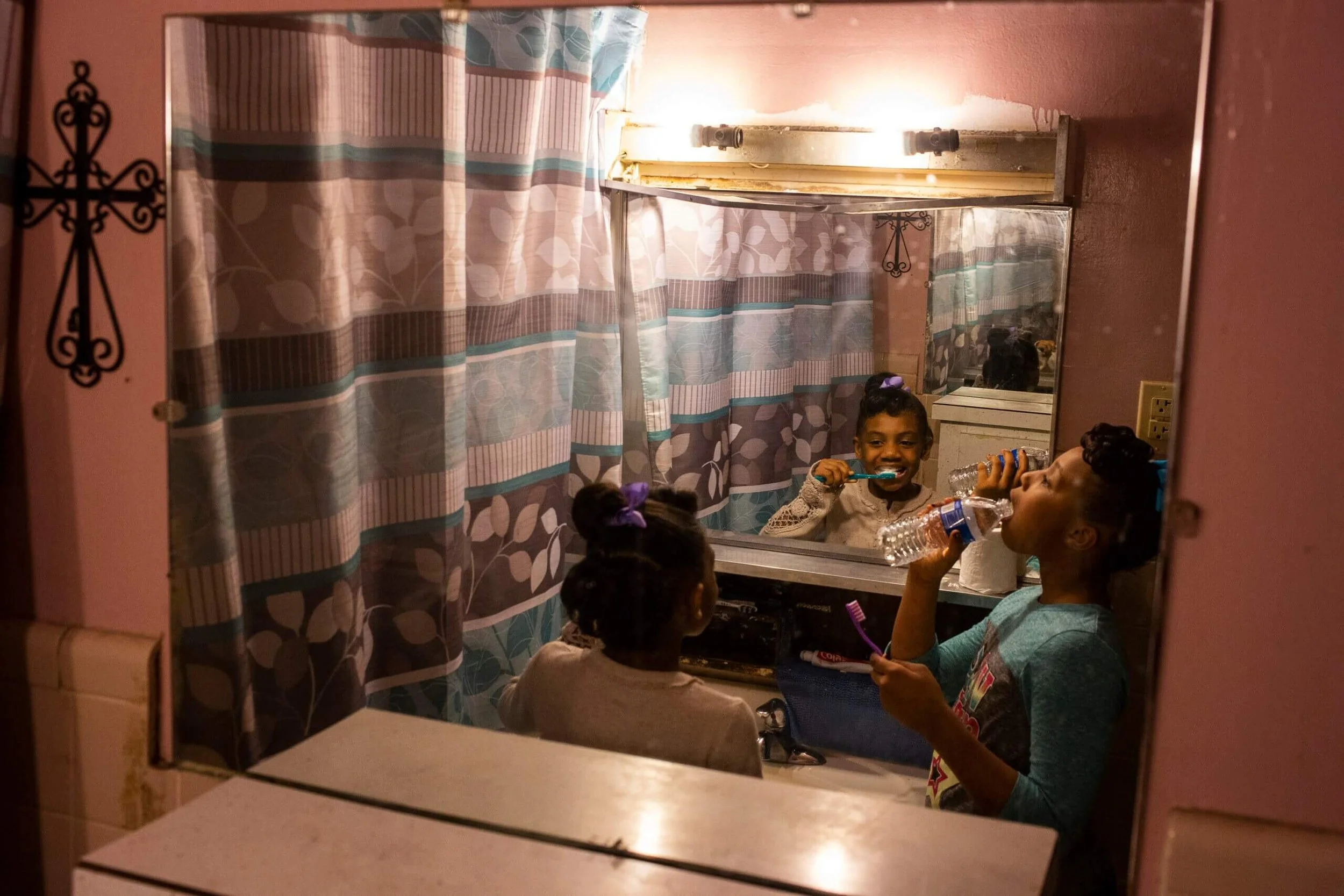
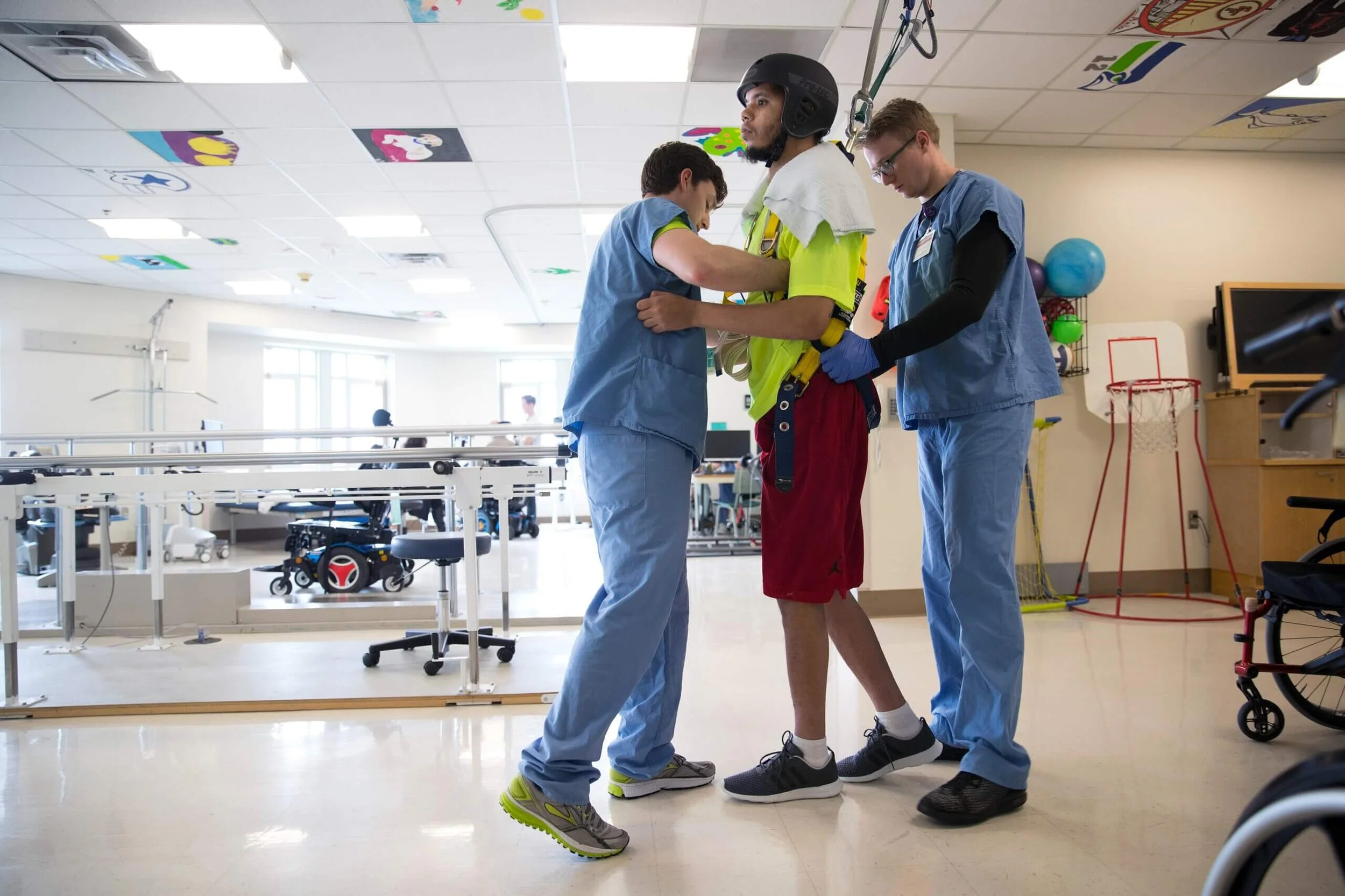
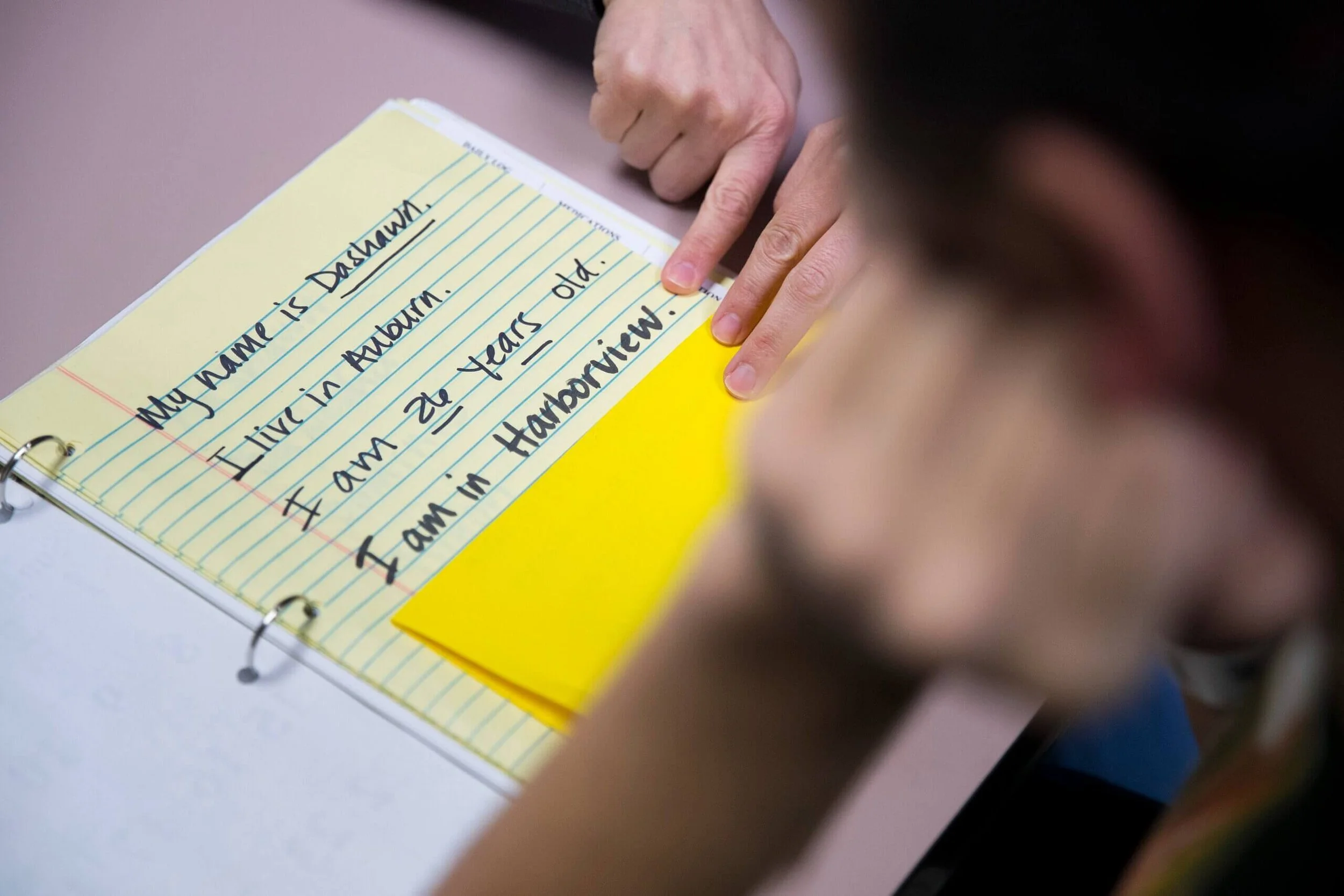
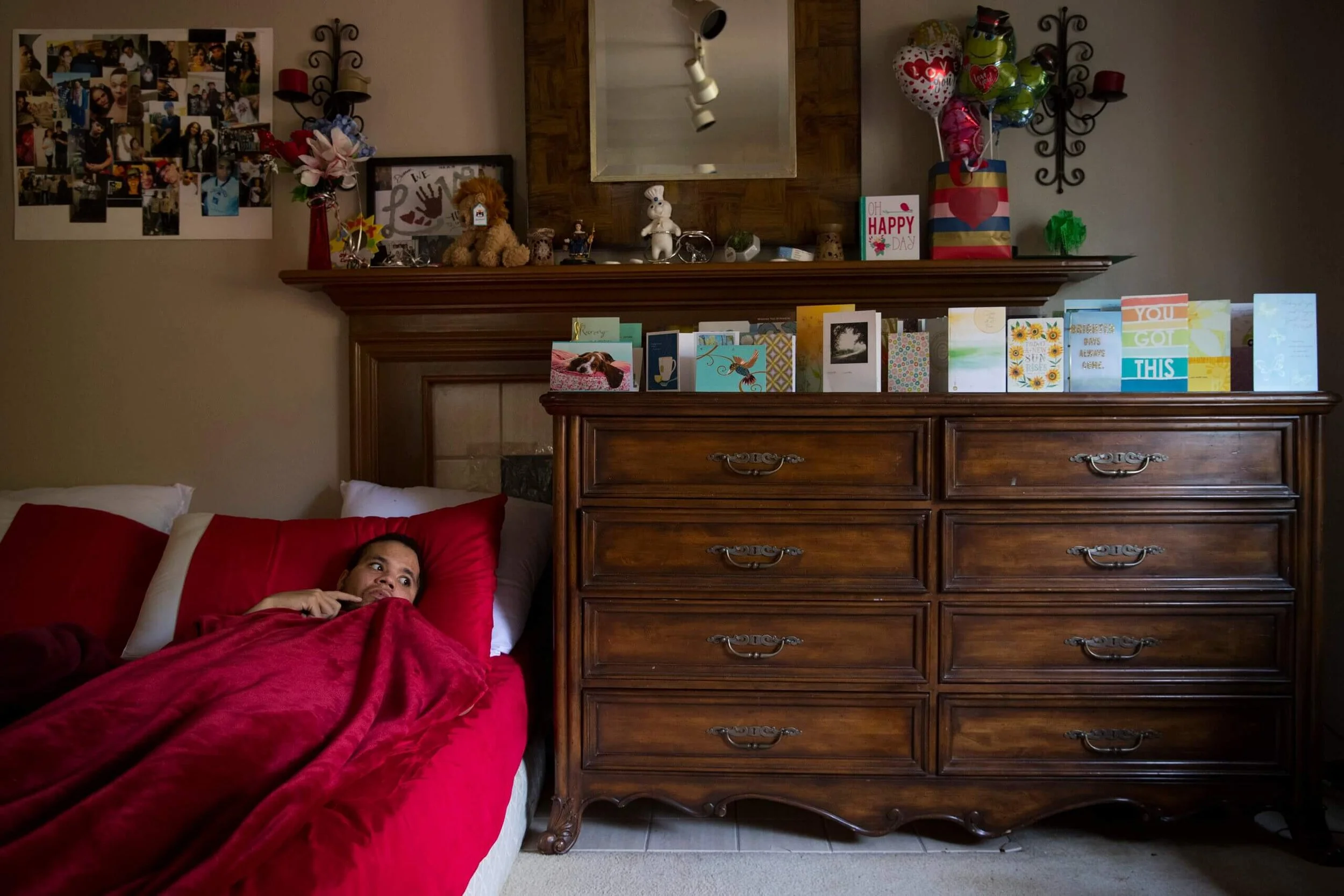
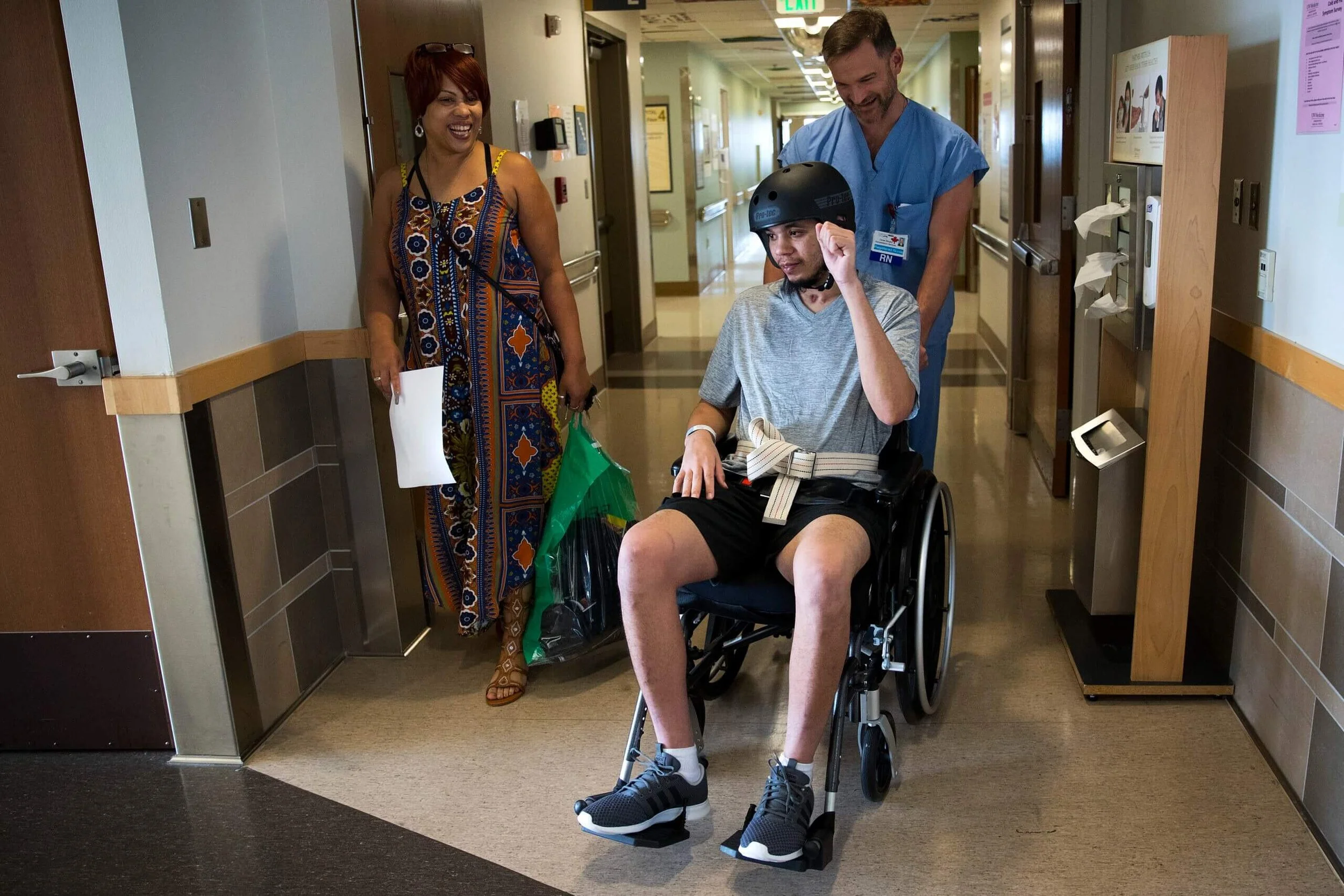
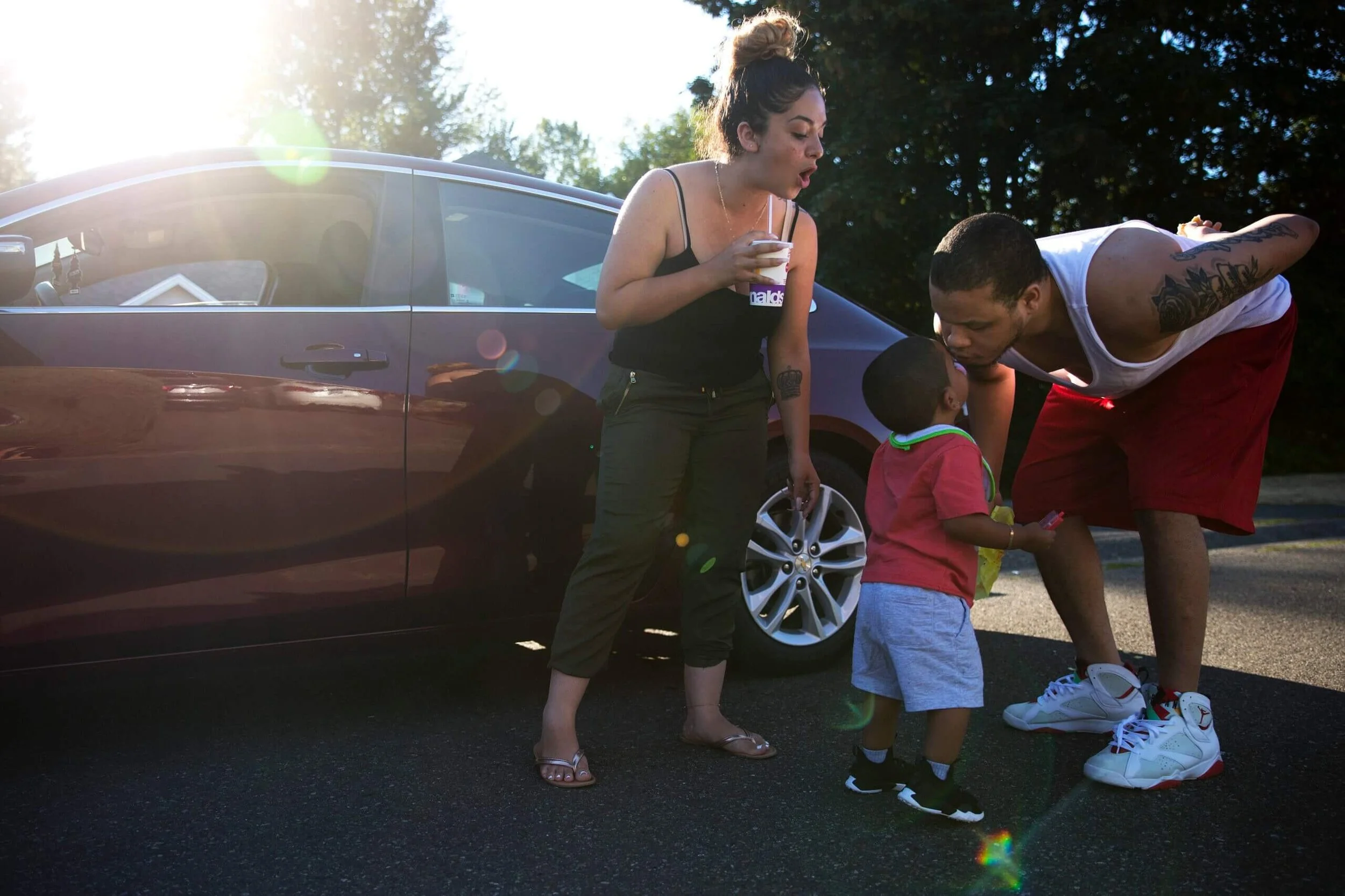
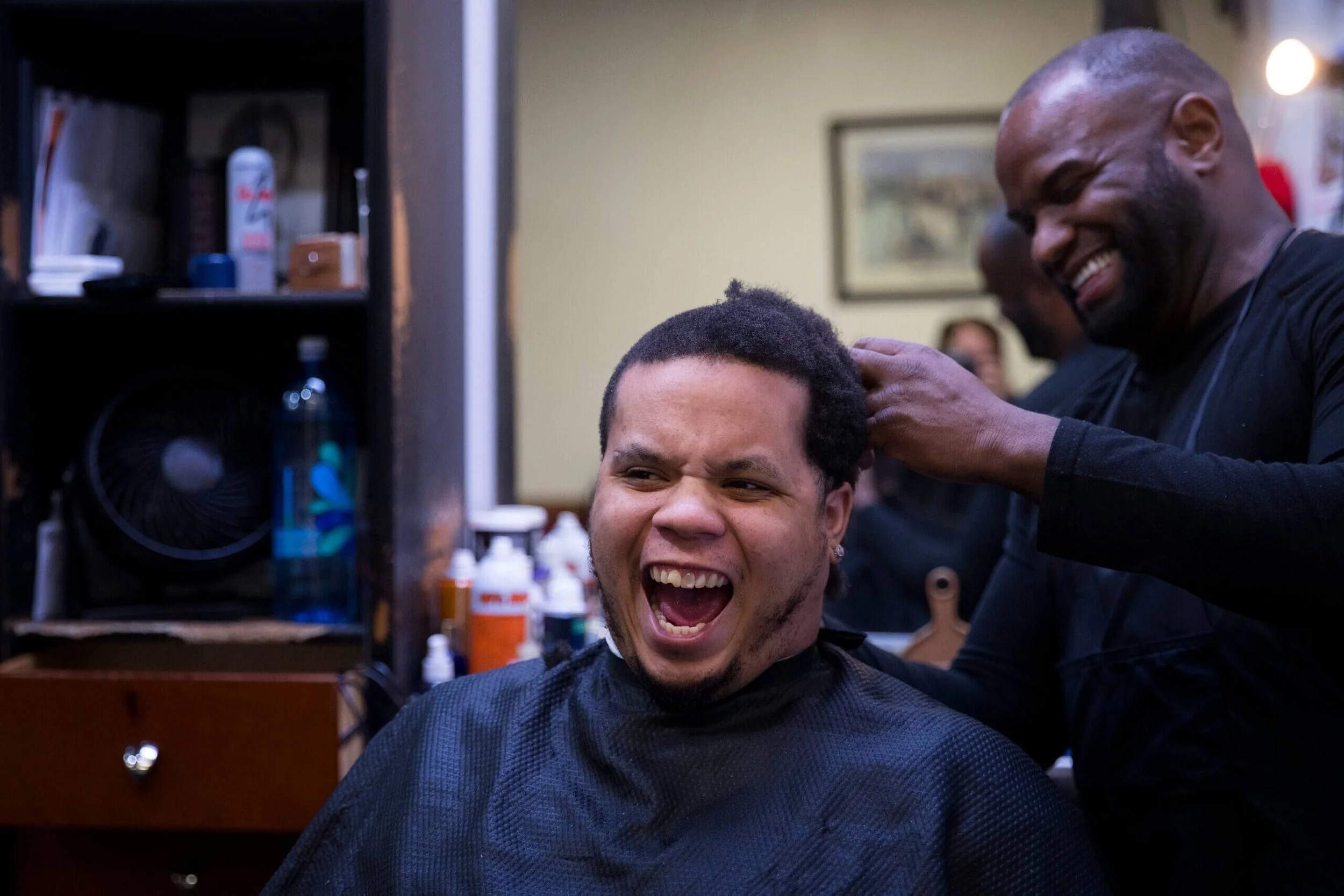
In early 2018, DaShawn Horne was the victim of a hate crime that left him in a coma and has had a lasting impact on him and his family. Farmer’s project, Life After a Hate Crime: The Recovery of DaShawn Horne, follows Horne, his family, and his community as he fights to recover from this racially motivated attack. Farmer’s relationship with Horne and his family is ongoing; this exhibition will include recent interviews with the family as Horne continues to rebuild his life. Hate crimes across the United States continue to rise, in 2020 the FBI reported over 11,000 victims of hate crimes, an increase of nearly 3,000 from 2018. Although it is important to note that a majority of hate crimes go unreported, making the total number of hate crimes much higher. Despite increased legislation aimed to prevent and deter these crimes, this issue is still widespread.
Thus, Horne’s attack was distinct, but unfortunately not unique, due to the prevalence of hate crimes in the United States and around the world today. Through collective action, awareness, and conversation, communities can work together to address and dismantle the hate and bias that motivate these crimes. Farmer’s powerful exhibit can spark these conversations and actions and help to raise awareness about the lasting impacts of a hate crime.
Megan Farmer is a visual journalist based in Seattle. She was the 2019/2020 ART WORKS Projects Emerging Lens Fellow.
about the artist
On August 22, 2019, AWP hosted Megan Farmer for an artist talk at our Chicago gallery. She was in conversation with Iván Arenas, Associate Director for Community Partnerships for the Institute for Research on Race and Public Policy at the University of Illinois-Chicago.
Public Program
Emerging Lens Project
Life After a Hate Crime was completed with support from the Emerging Lens fellowship.
Emerging Lens is ART WORKS Projects’ signature program that awards project support, unrestricted grants, and mentorship to emerging photographers working to document social justice and human rights issues in their own backyards and around the world.
All of our exhibitions are designed to tour and can be adapted to a broad spectrum of venue types and sizes.
We are happy to provide step-by-step support for hosting this exhibit.
Contact us to learn more about bringing this exhibit to your community.
bring this exhibit
to you
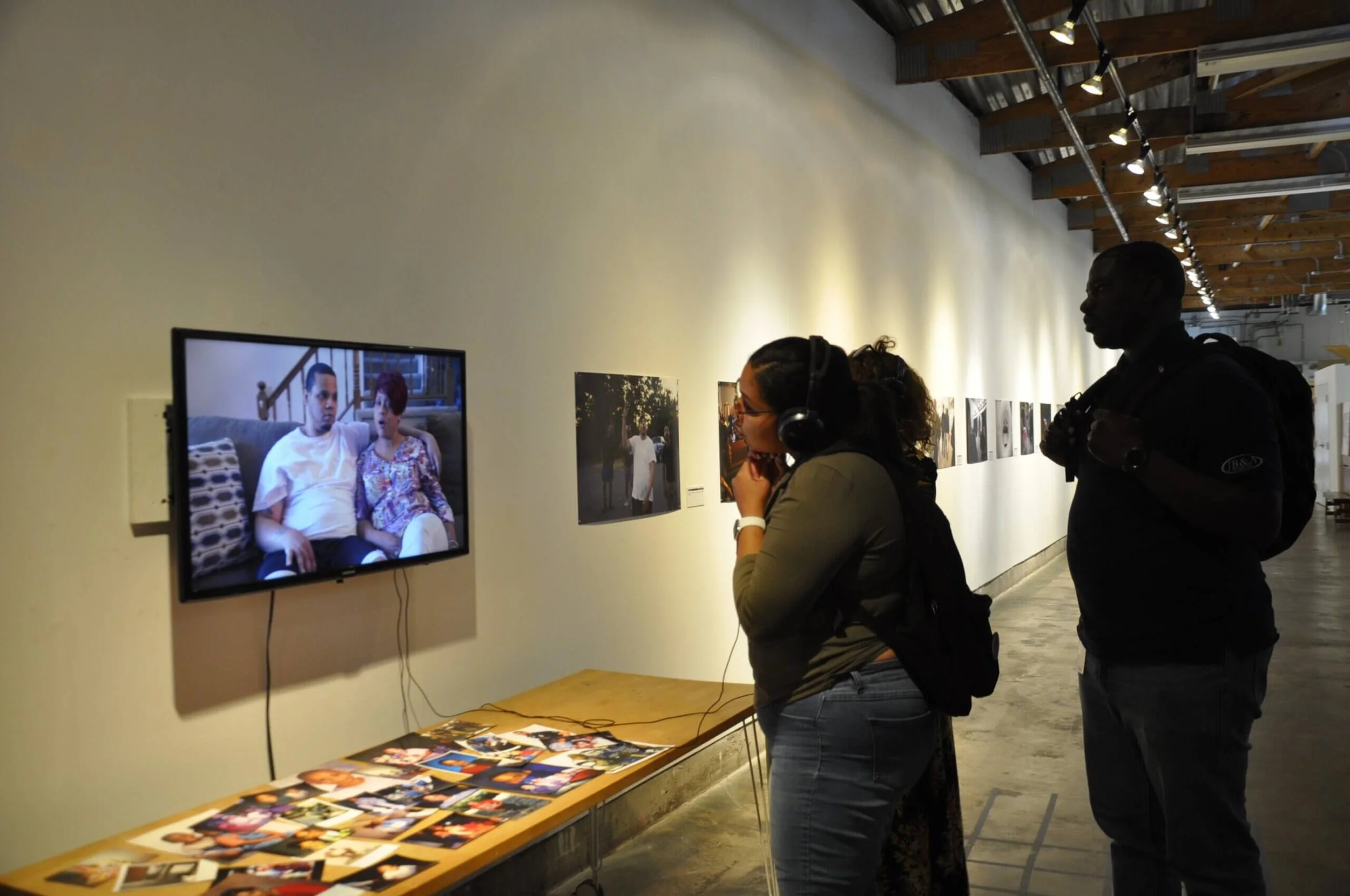
Life After a Hate Crime exhibit at the ART WORKS Projects Gallery
resources & tools
Learn more about this issue and the ways that you can stay informed and get involved.
News
In addition to producing this exhibit, Farmer also wrote an article for Seattle’s KUOW Public Radio, detailing her relationship with DaShawn and his journey to recovery.
August, 2021: The Seattle Medium interviewed DaShawn Horne about his recovery.
Resources for Victim/Survivors
Human Rights Watch created a guide of action steps for individuals who were the victim of/survived a hate crime.
Policies
On May 20th, 2021 U.S. President Joe Biden signed the COVID-19 Hate Crime Act into law. This was the most recent hate crime legislation in the country. The Southern Poverty Law Center details the history of hate crime policies and laws.
Stats
The U.S. Department of Justice has published statistics for reported hate crime in 2020. Note: the statistics only include crimes that were reported and the report does not include data from over 3,000 law enforcement agencies.
Life After a Hate Crime is generously supported in part by the Henry Nias Foundation.
support for this project
more of our work