
emerging lens
Emerging Lens (EL) was created by Art Works Projects to expand opportunities for emerging and early-career documentary photographers whose work engages human rights, social justice, and environmental issues.
After years of developing artists and projects within AWP, the program is beginning a new chapter toward becoming an independent initiative. AWP celebrates the photographers, relationships, and body of work the program built—and looks forward to what comes next!
A Network of Support
Emerging Lens was centered on a network designed to help photographers develop ambitious documentary projects and sustain their practice. Fellows received project support, mentorship, opportunities for exhibition and publication, and connections with artists, advocates, institutions, and audiences across borders.
Emerging Lens Fellows
THE 2024–2025 COHORT!
The 2024–2025 cohort brought together three photographers examining the human consequences of environmental change. Their projects explore climate pressure, pollution, environmental justice, and the communities living closest to their effects. This cohort was supported in part by the National Endowment for the Arts.
Natalia Favre

Natalia Favre is an Argentinian documentary photographer and filmmaker based in Cuba and Argentina. Her work focuses on social issues through an intimate perspective at the intersection between community and identity, appearing internationally in media outlets such as The Washington Post, National Geographic, Bloomberg, Reuters, The Telegraph Magazine, and the BBC, among others. Her films have been shown at several international festivals in Cuba, Argentina, Brazil, Spain, Mexico, and the US. Natalia holds a Bachelor’s in Design with a Diploma in Documentary Photography from the University of Buenos Aires.
Natalia’s project, “Maloneras, seeds of resistance,” documents the resurgence of the historic indigenous movement “Malón de La Paz” (Raid for Peace), which first took place in 1946 in northern Argentina. Nearly eight decades later, driven by a new constitutional reform that threatens communities’ land rights, the Malón de La Paz reemerges with a particularity: women are now at the forefront. The project delves into the lives of these women as they follow the path of their ancestors’ struggle, focusing on their relationship with the territory they inhabit and the challenges they face regarding land rights.
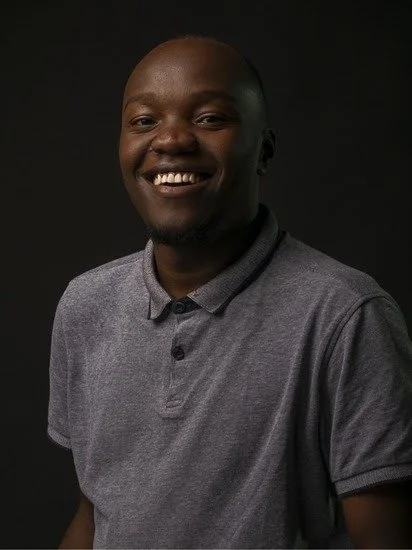
Oyewole Lawal
Oyewole Lawal is a photojournalist and sociologist based in Nigeria. Oyewole’s artistic practice largely focuses on examining people and their relationships with the environment within African social groups. Oyewole believes it’s important to record everyday life journeys, to fight for social issues, and to unearth the innate depths of the human mind, environment, and society. He uses art as his voice to provoke discussion on subjects that oftentimes go unnoticed yet hold great significance. Oyewole holds a degree in sociology from the University of Lagos and a professional certificate from the Nigeria Institute of Journalism (N.I.J).

Edwin Ndeke
Edwin Ndeke is a self-taught photojournalist and documentary photographer based in Nairobi, Kenya. Edwin’s work focuses on socio-economic, cultural, political, and environmental issues, depicting a broader spectrum of life and aiming to address them within his community. He has a keen interest in examining the everyday lives of people, building a deep understanding of the issues that affect people and their communities, and using photography as a medium to raise awareness and bring about change.
Edwin and Oyewole will bring their projects together through a collaborative storytelling initiative to illuminate the value of the often-overlooked workforce of waste pickers and cast a spotlight on their vital role in recycling and waste management. Spanning across Nairobi and Lagos, the largest cities in West and East Africa, their respective projects, once combined, seek to challenge discrimination, raise global awareness about the environmental impact of waste, most especially plastic waste, contributing to harmful methane emissions, and inspire a collective commitment to sustainable practice.