
After Syria:
A new generation’s pathway to finding home
As ART WORKS Projects reflects on our past 15 years amplifying the voices of those impacted by human rights abuses, we are revisiting our friends whose stories left an indelible mark on our journey together.
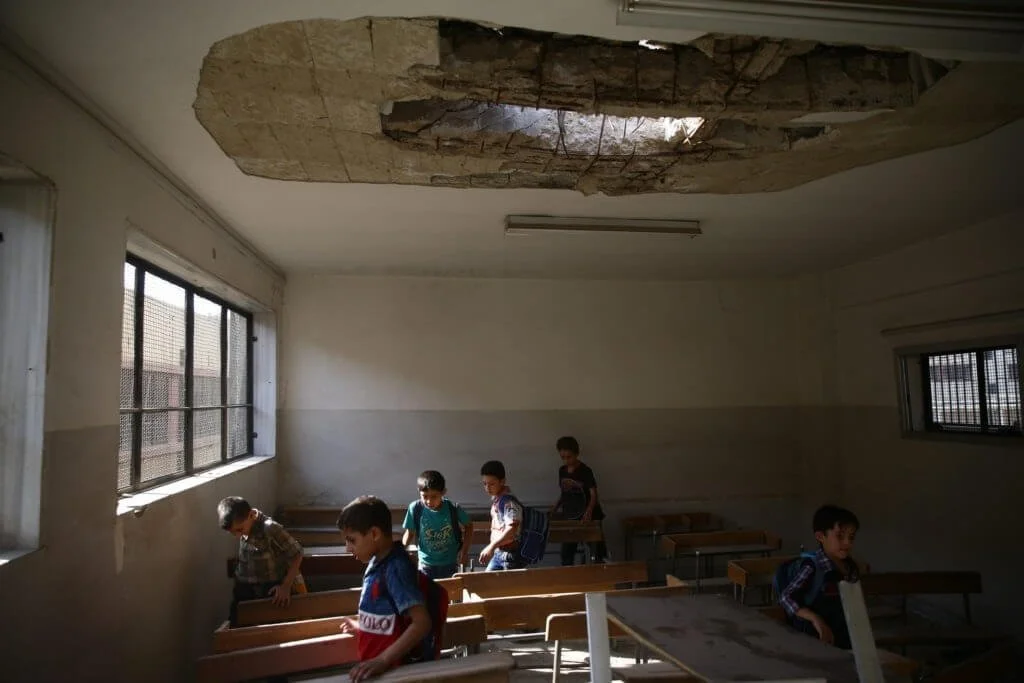
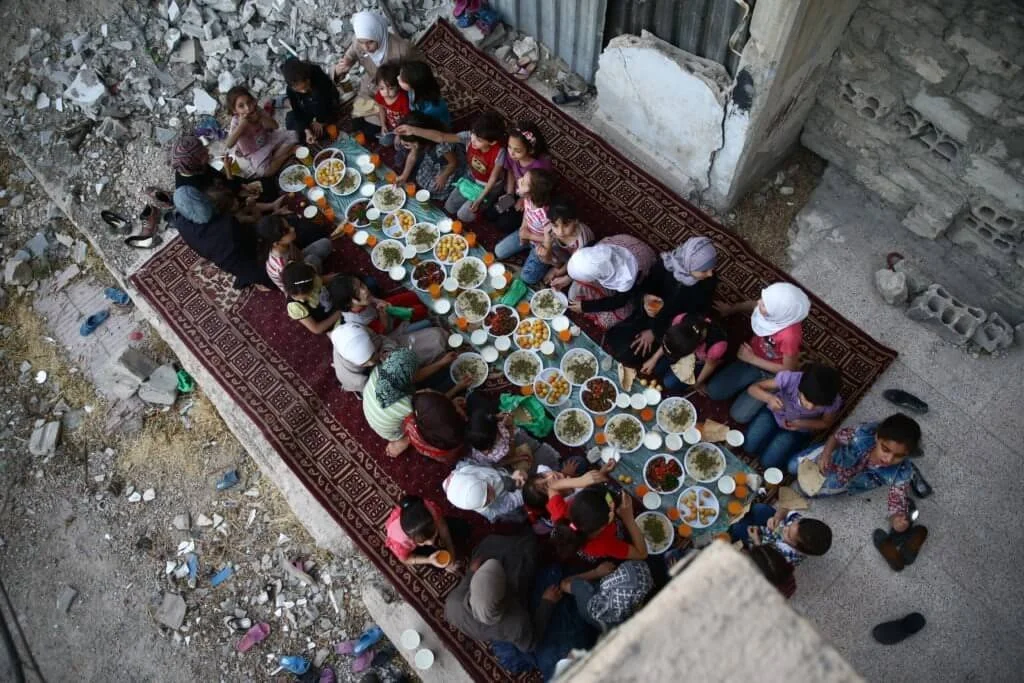
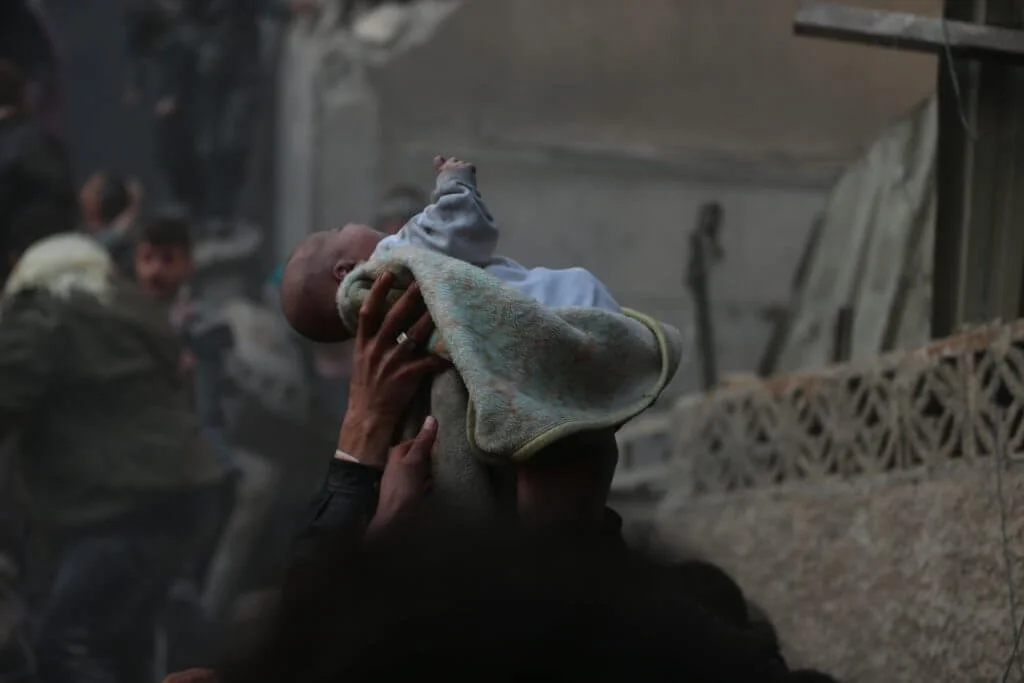
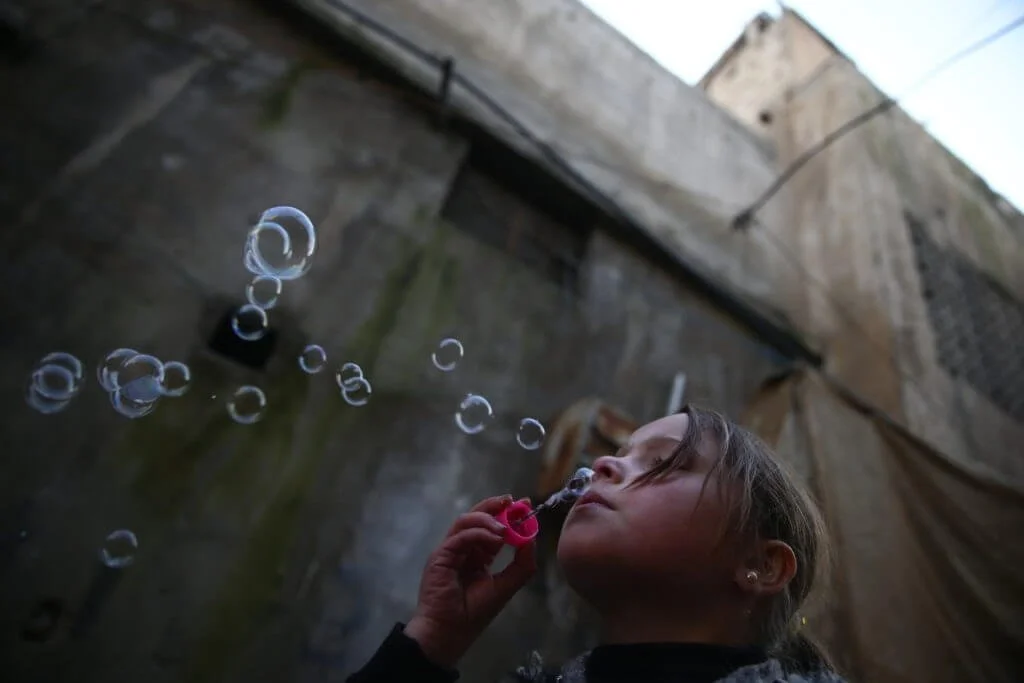
While the world stood by as the ongoing conflict in Syria resulted in mass civilian death and displacement, ART WORKS Projects turned its attention to Syria’s most vulnerable population – its children. In 2014, AWP collaborated with six photographers to document those caught in the middle of this tragedy, including Bassam Khabieh, a Syrian who picked up a camera and taught himself to document the destruction happening around him. Khabieh and his family were eventually able to escape to Turkey where they now reside in limbo as part of a large community of displaced Syrians.
Conflict is just one entry on the long timeline of displacement for refugees. This new work by Bassam Khabieh provides a renewed focus on Syrians as they continue on their path toward a new home.
The recent tenth anniversary of the Syrian revolution comes loaded with frustration and challenges for Syrians, especially those displaced inside Syria who are living in camps and those who live in exile who are struggling with changing country policies and a trend towards not accepting more refugees. This has translated on the streets and on social media platforms into racist campaigns and hateful rhetoric towards refugees, not only in Turkey, where I now live, but around the world as well.
According to the United Nations High Commissioner for Refugees (UNCHR), Turkey has received the largest number of refugees worldwide, the majority of them Syrian, with 3.6 million registered refugees who were forcibly displaced during the years of war and conflict.
Of this 3.6 million, UNICEF reports that there are 1.6 million Syrian refugee children in Turkey, many of whom require ongoing psychological and medical support caused by the deep wounds left by the war. That number creates massive challenges and responsibility for the international and local NGOs working to ensure that this future generation receives the support, education, and training they need to succeed later in life. However, despite large increases in enrollment rates in schools, a significant number of Syrian refugee youth have been forced to drop out of school to work and support their families.
Ahmad, a 20 year old from Aleppo, left Syria in 2013 after his father was killed in a bombing that targeted his house in the Tariq-Albab neighborhood in Aleppo. Despite all the hardships Ahmad’s family faced when they decided to settle in Turkey in the Al-Fatih neighborhood in Istanbul, he now works in construction and he’s learned Turkish, which has enabled him to communicate with his Turkish neighbors. However – this came at the expense of his education.
“After I left Syria, I did not have a chance to go to school. I had to work to help my family here in Turkey. Last year, I lost my brother because of COVID, therefore, life became even more difficult for us.” Ahmad says.
“I don’t think I will be ever coming back to Syria, this dream is vanished. We have nothing there, no house, no work, and no one we know is there,” Ahamd says when asked if he is thinking of returning to his country.
Syrian youth also face challenges around identity. Hamza and his family lived under siege for five continuous years in Eastern Ghouta. In 2018, they were forcibly displaced after a heavy military bombardment. At that time, he was only 2.5 years old.
Hamza feels the changes that come with displacement and asks many difficult questions that are hard to answer for someone his age – questions about his identity, language, and country of origin such as, “When will we go back to Syria? Why did we leave? Why is Syria broken? Are we going to see my grandfather again?”
“We don’t know how he catches these ideas. He was a little child when we left Syria,” his mother Noor says.
Questions about Syrian youth in Turkey and the future life they face in a new country are to be considered against a larger backdrop of anti-immigrant sentiment. Prior to any elections in Turkey, some political parties ignited hate speech against refugees. They throw the refugee cause on the table because they know it will resonate in the ears of Turkish voters. Syrian refugees try to adapt to these circumstances and pressure – they have no other choice. The war in Syria has not ended, and there is no political solution in sight.
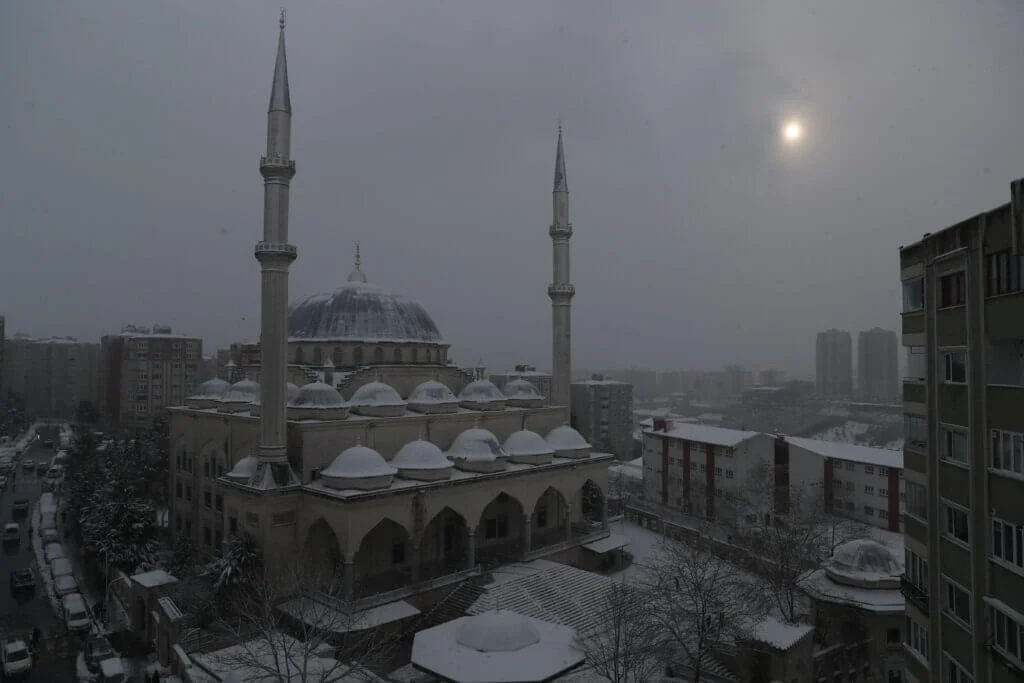
Istanbul, Turkey - January 17, 2021
A view of the Basakshierneighborhood in Istanbul where many Syrians live. More than 500,000 registered Syrian refugees live throughout the city’s neighborhoods.
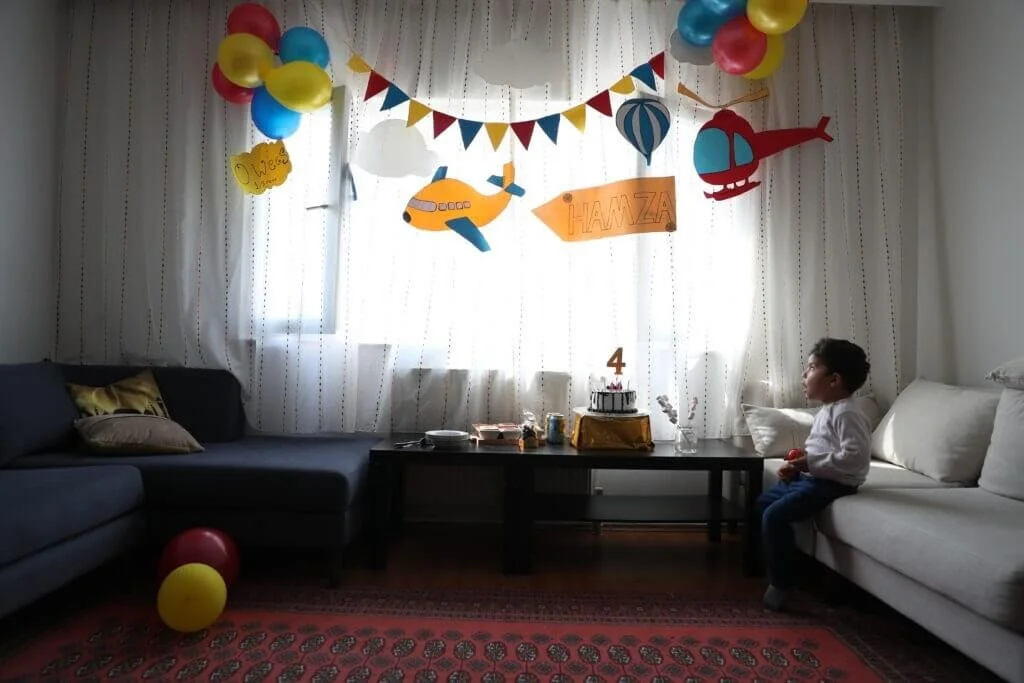
Istanbul, Turkey - April 23, 2020
Hamza celebrates his 4th birthday at home due to the COVID-19 lockdown in the Basakshier neighborhood in Istanbul. Hamza and his family lived under siege for five continuous years and then were forcibly displaced from Eastern Ghouta after a heavy military operation led by Russian and Syrian forces.
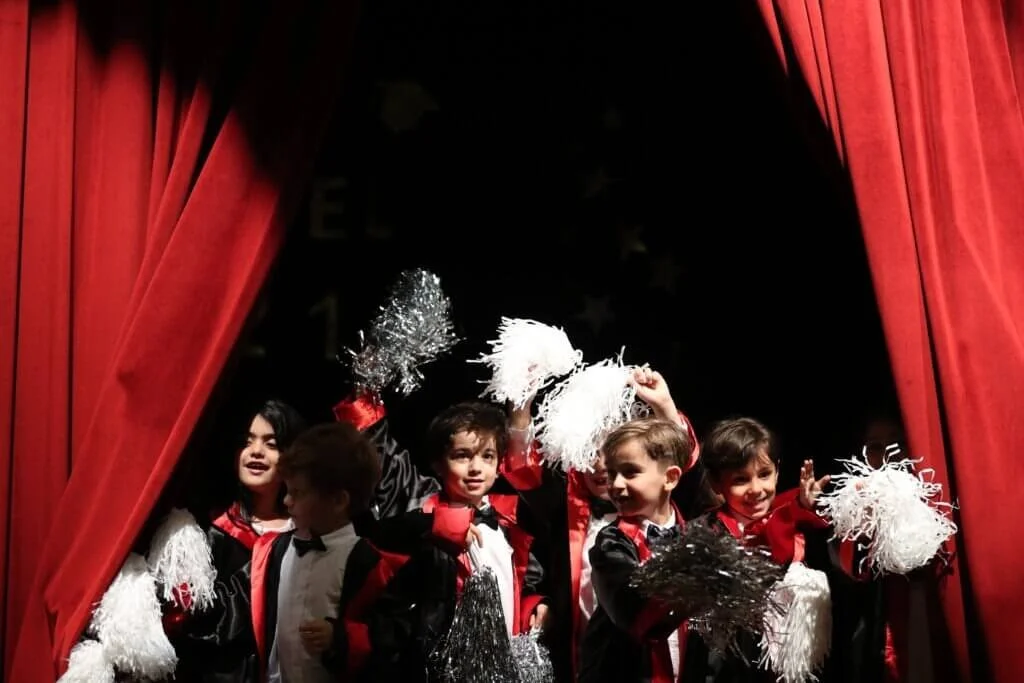
Istanbul, Turkey - June 26, 2021
Syrian children wave to their family during the celebration of the end of the school in Al-Sanabel Kindergarten in Basakshier neighborhood in Istanbul.
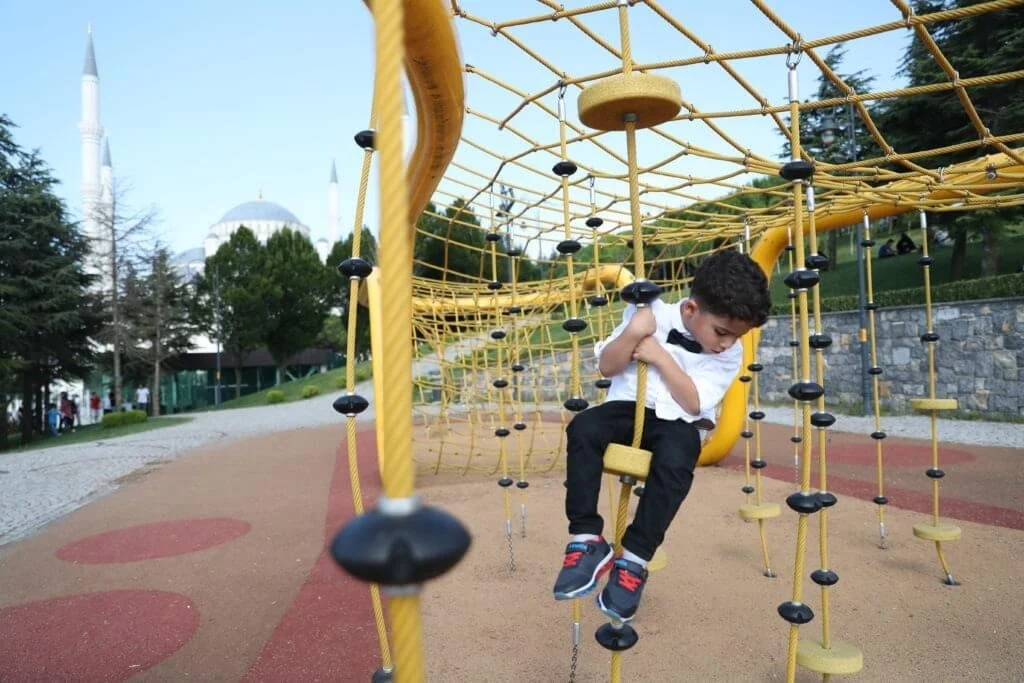
Istanbul, Turkey - July 21, 2021
Hamza, 5, plays in the climbing set in the Asian side of Istanbul. Hamza lives with his family in Istanbul after being displaced from Syria three years ago. Learning a new language is the primary challenge for Hamza and his family as they attempt to make new friends and build relationships with neighbors and in the labor market
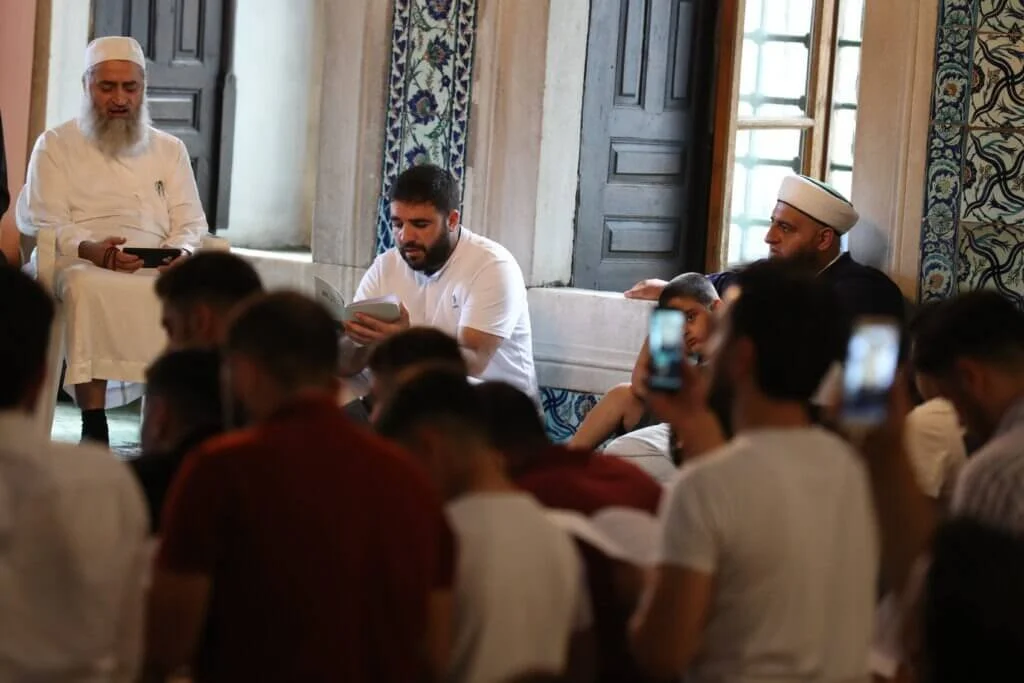
Istanbul, Turkey - July 19, 2021
Syrian and Turkish people attend a celebration together for the holiday Eid Al-Adha in Hekimoğlu Ali Pasha Mosque in Istanbul.
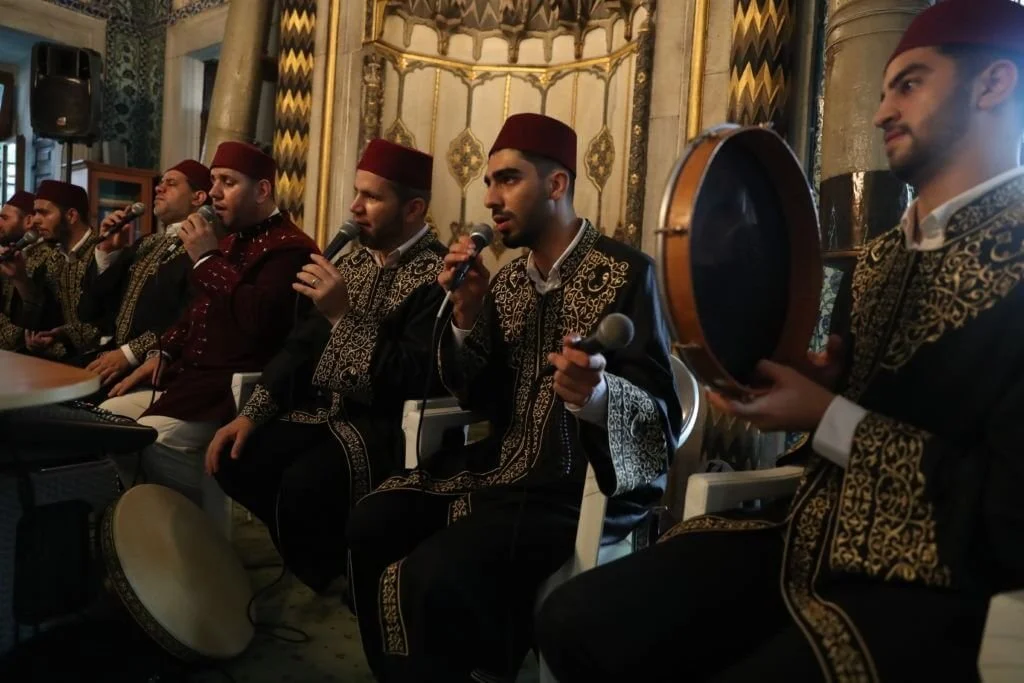
Istanbul, Turkey - July 19, 2021
Al-Asali’s band performs Islamic chants in celebration of the upcoming holiday Eid Al-Adha in Hekimoğlu Ali Pasha Mosque. Al-Asali is a famous vocalist in Syria. He left the country after the Syrian government forces bombed his city in the Damascus countryside.
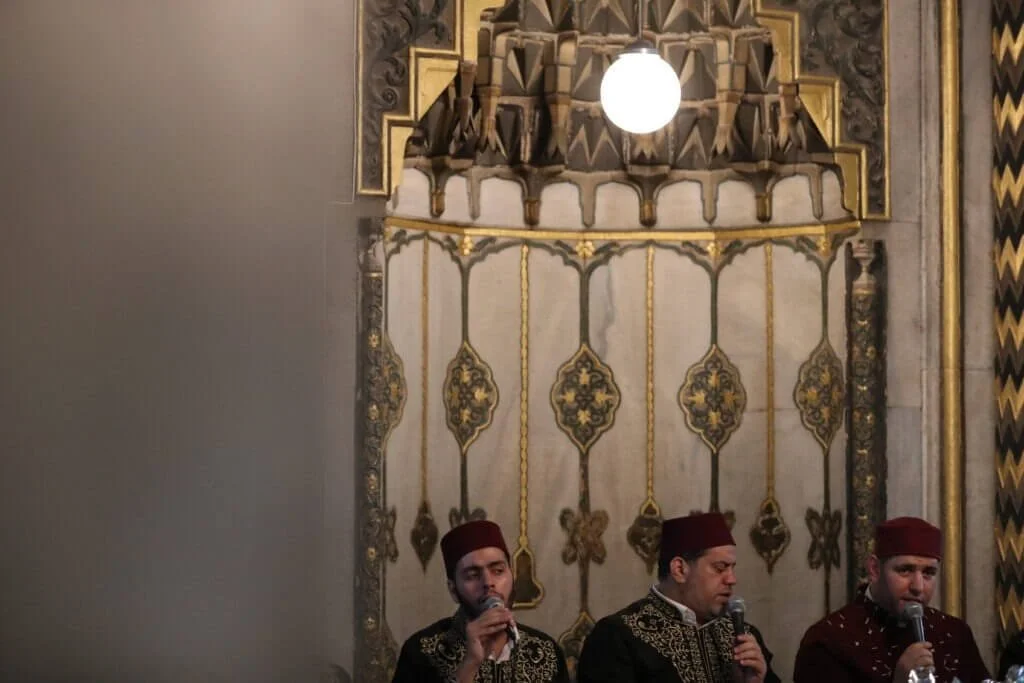
Istanbul, Turkey - July 19, 2021
The Syrian vocalist Mo’tasim Al-Asali (left) performs Islamic chants in celebration of the upcoming holiday Eid Al-Adha in Hekimoğlu Ali Pasha Mosque. Both Turkish and Syrian people attend this event.
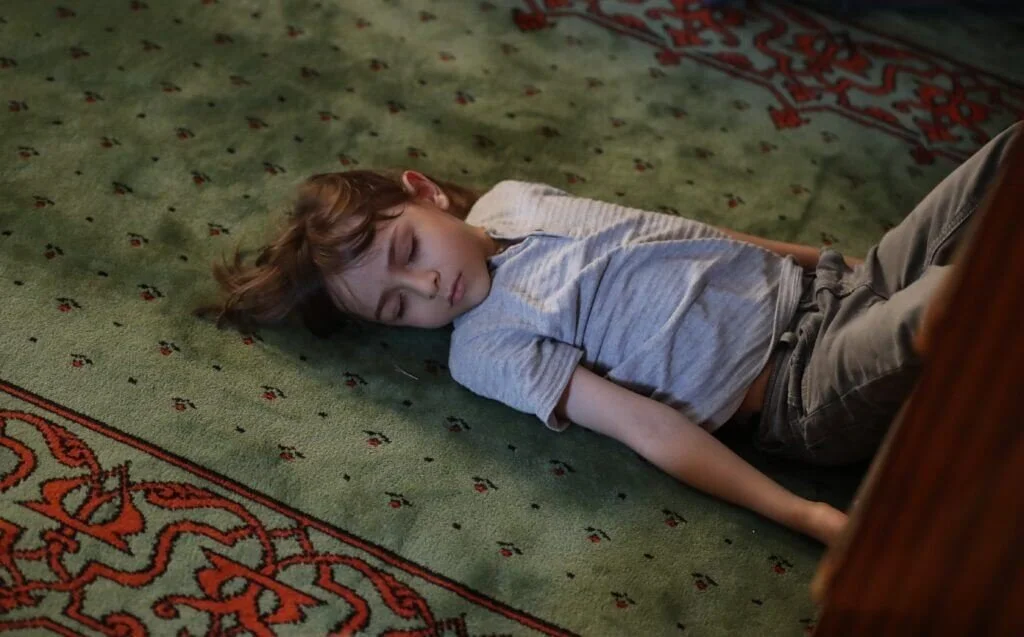
Istanbul, Turkey - July 19, 2021
A Syrian boy named Joud, 6, sleeps on a carpet during a celebration of the upcoming holiday Eid Al-Adha in Hekimoğlu Ali Pasha Mosque in Istanbul.
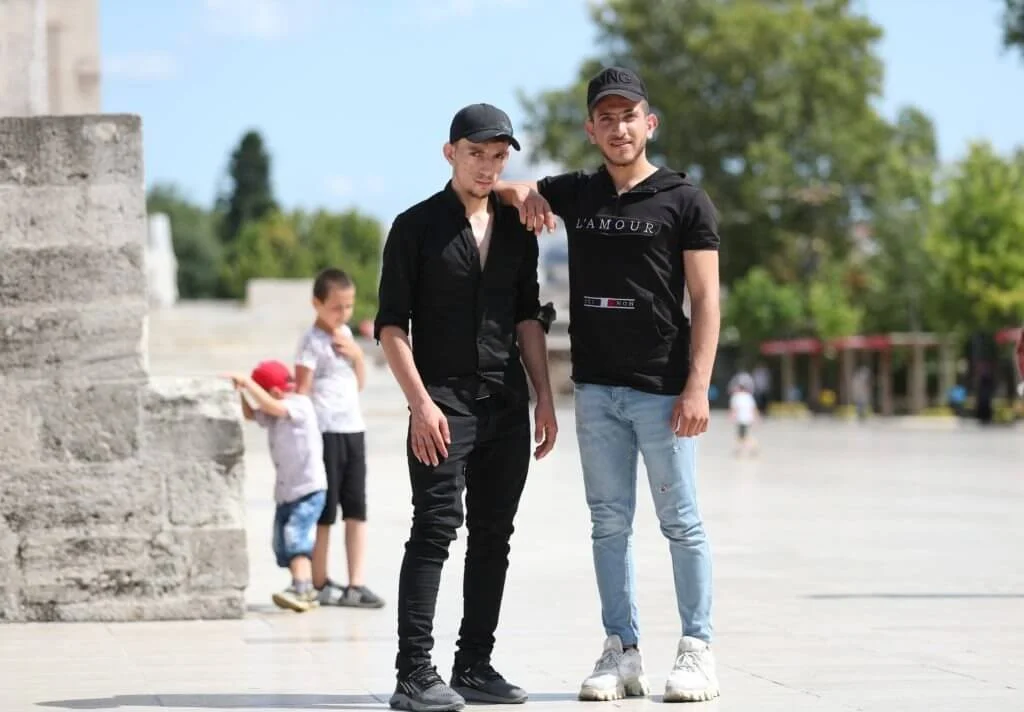
Istanbul, Turkey - July 22, 2021
Ahmad (right), 20, stands with his friend Husain (left), posing for photographs in Al-Fatih Mosque yard, on the third day of the Eid Al-Adha holiday. Ahmad left his town Aleppo with his family when he was 13 after his father was killed in a bombing carried out by Syrian government forces in 2013.
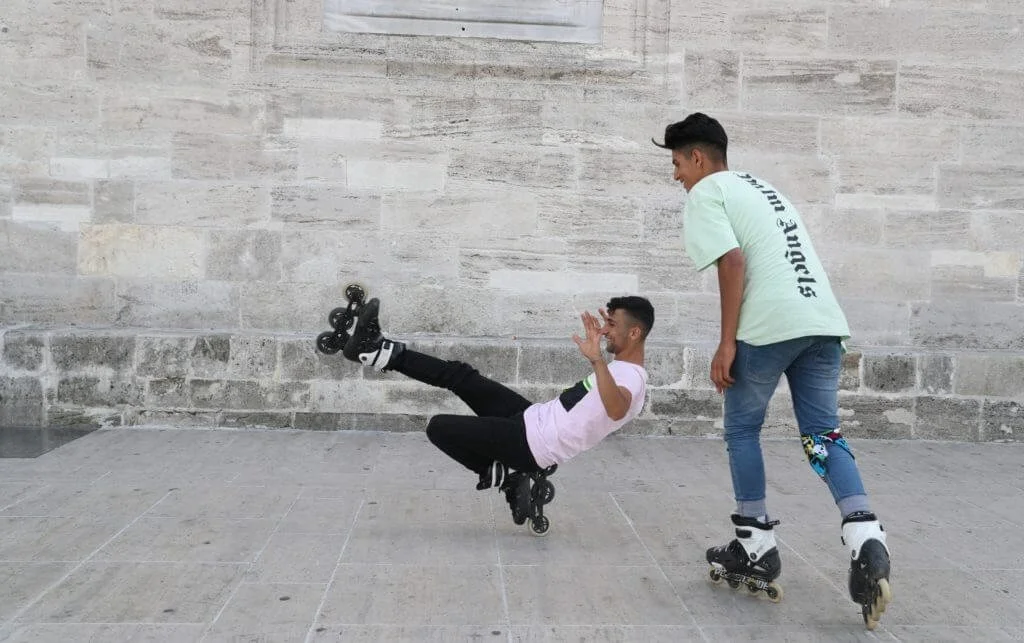
Istanbul, Turkey - July 22nd, 2021
Mohamad (left), 18, practicing skating with his friend Ahmad (right), in the Al-Fatih neighborhood. Mohamad studies in Istanbul. He left his hometown in As-Sferia in Aleppo’s countryside in 2013 because of military operations in his town.
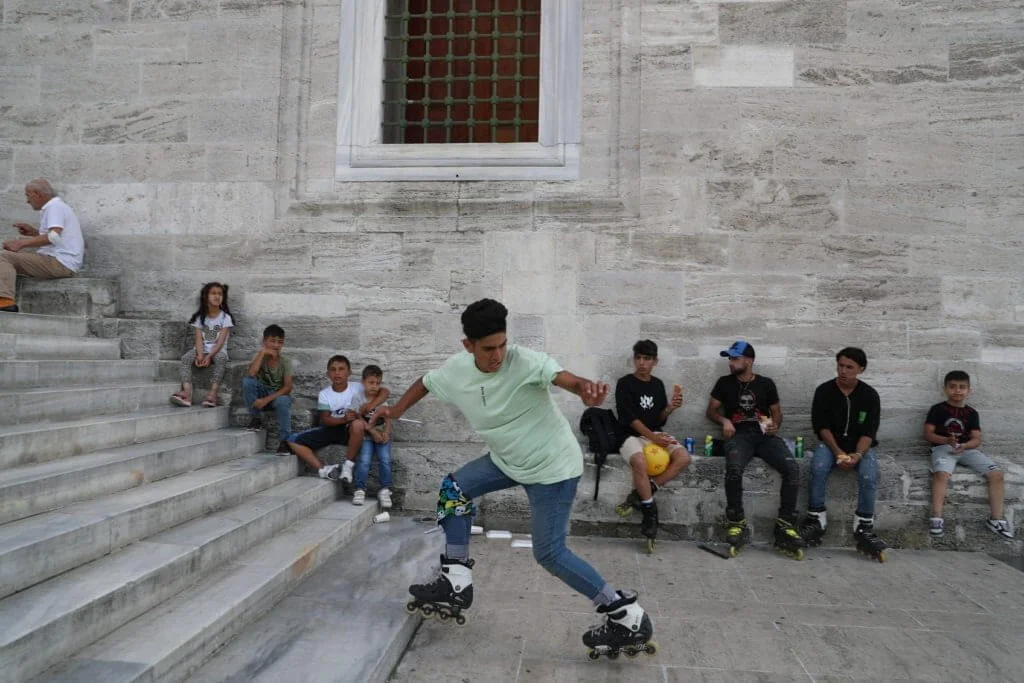
Istanbul, Turkey - July 22, 2021
Ahmad, 16, skates with his friends in the Al-Fatih neighborhood.
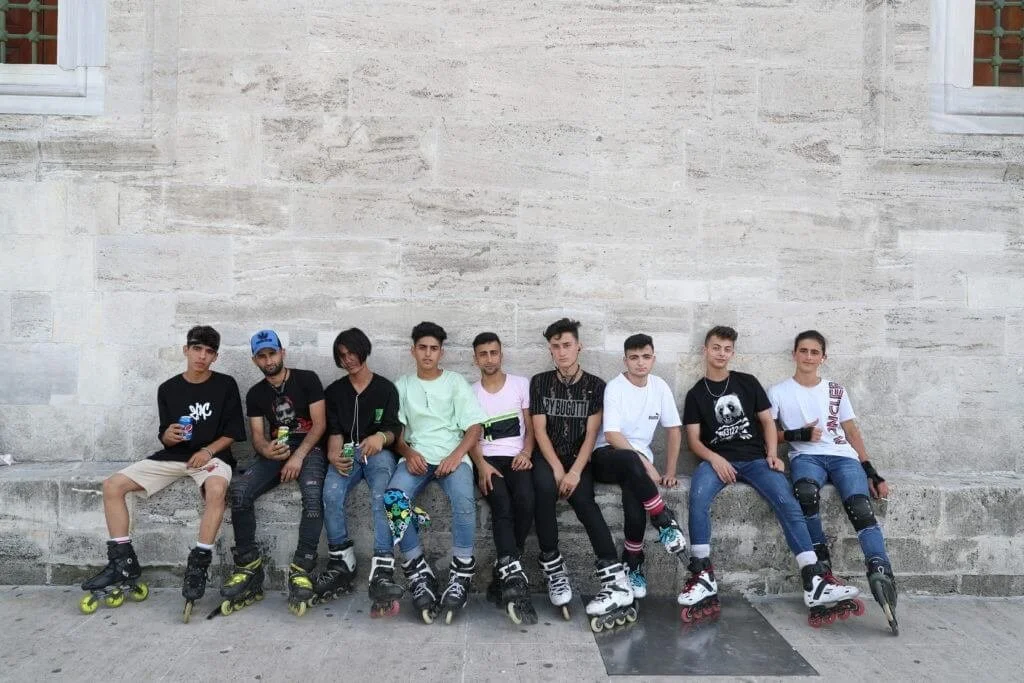
Istanbul, Turkey - July 22, 2021
Ahmad, 16, skates with his friends in the Al-Fatih neighborhood.
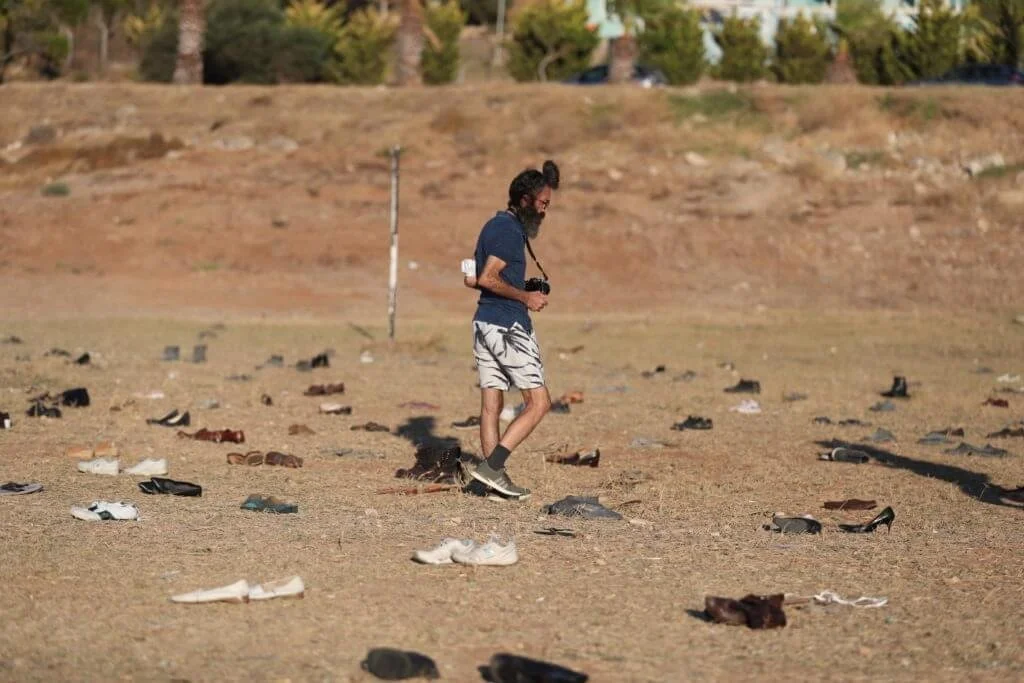
Çeşme, Izmir, Turkey - August 8, 2021
A man walks in an installation representing all those who passed through the city during the refugee crisis and those who lost their lives crossing the Mediterranean. This installation was created by the K2 Turkish Contemporary Art Center with participation of young artists in Izmir.
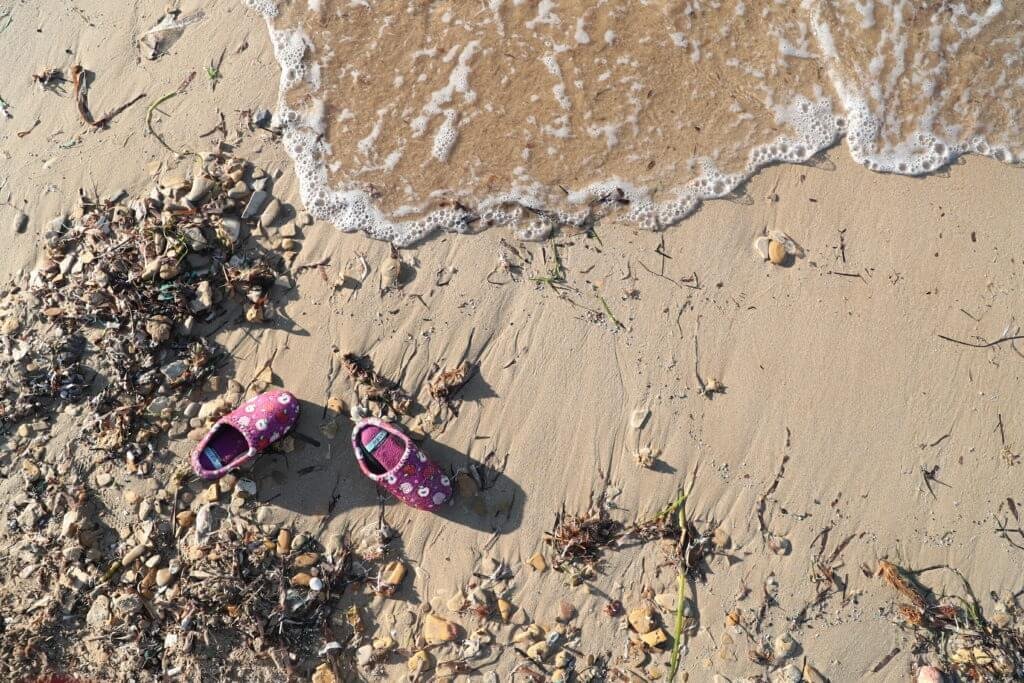
Çeşme, Izmir, Turkey - August 8, 2021
A pair of shoes seen in an installation representing all those who passed through the city during the refugee crisis, and those who lost their lives crossing the Mediterranean, the primary route for migrants traveling from Asia and Africa to Europe. Between 2014 and 2021, the number of migrants increased dramatically; in 2015 alone, one million migrants crossed the Mediterranean to Greece – most of them Syrian. The total number of migrants who have drowned in the sea between 2014 and 2021 nears 20,000.
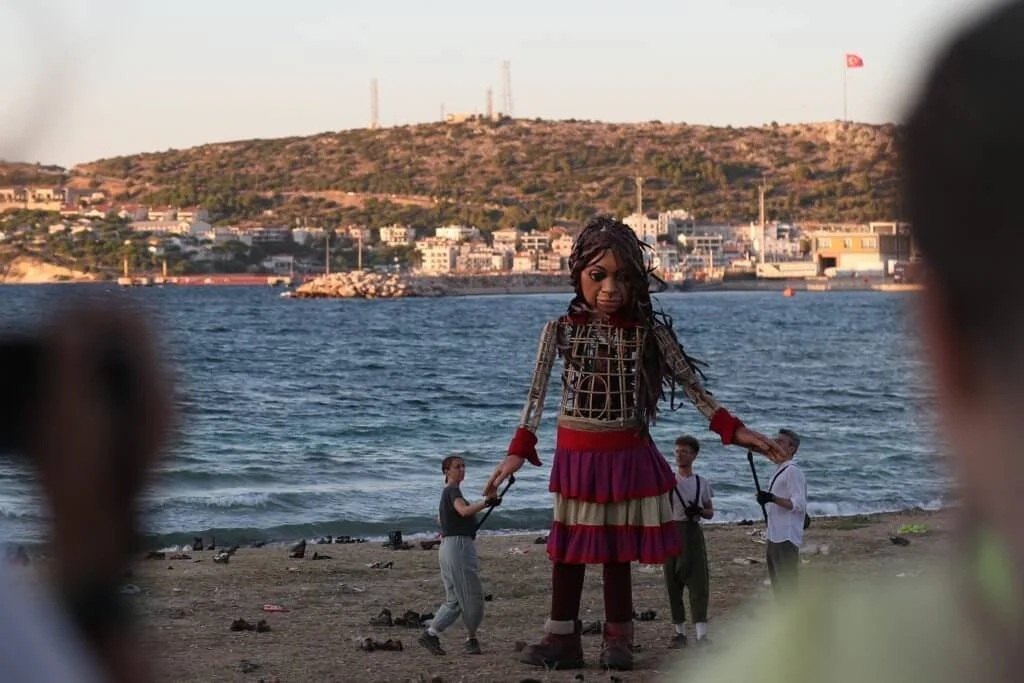
Çeşme, Izmir, Turkey - August 8, 2021
A pair of shoes seen in an installation representing all those who passed through the city during the refugee crisis, and those who lost their lives crossing the Mediterranean, the primary route for migrants traveling from Asia and Africa to Europe. Between 2014 and 2021, the number of migrants increased dramatically; in 2015 alone, one million migrants crossed the Mediterranean to Greece – most of them Syrian. The total number of migrants who have drowned in the sea between 2014 and 2021 nears 20,000.
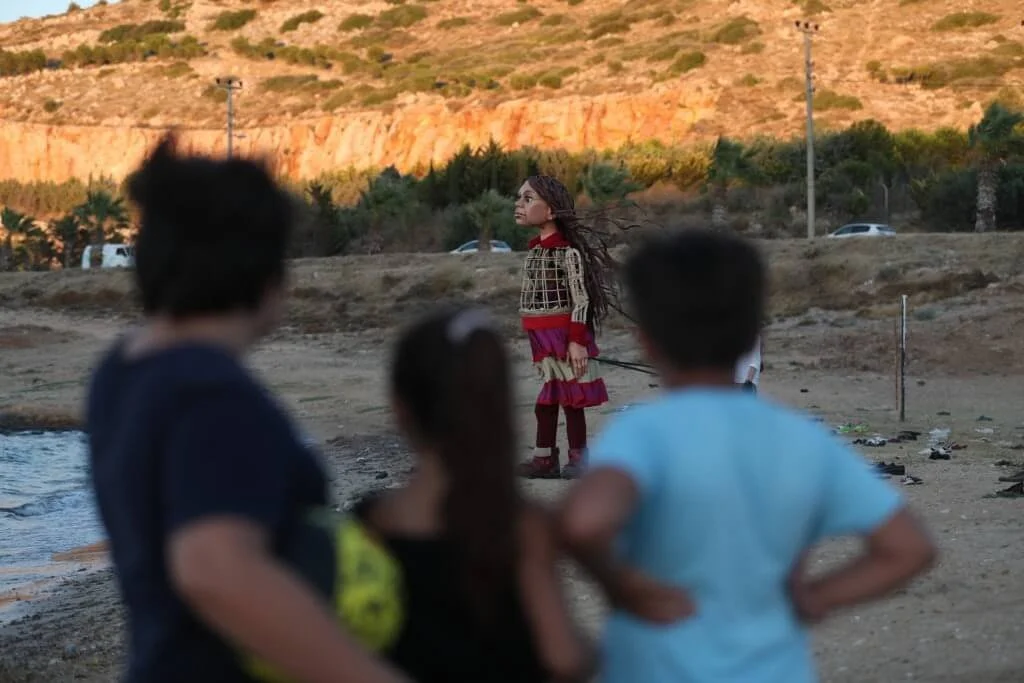
Çeşme, Izmir, Turkey - August 8, 2021
Children watch Little Amal as it walks on the shore as part of “The Walk.”
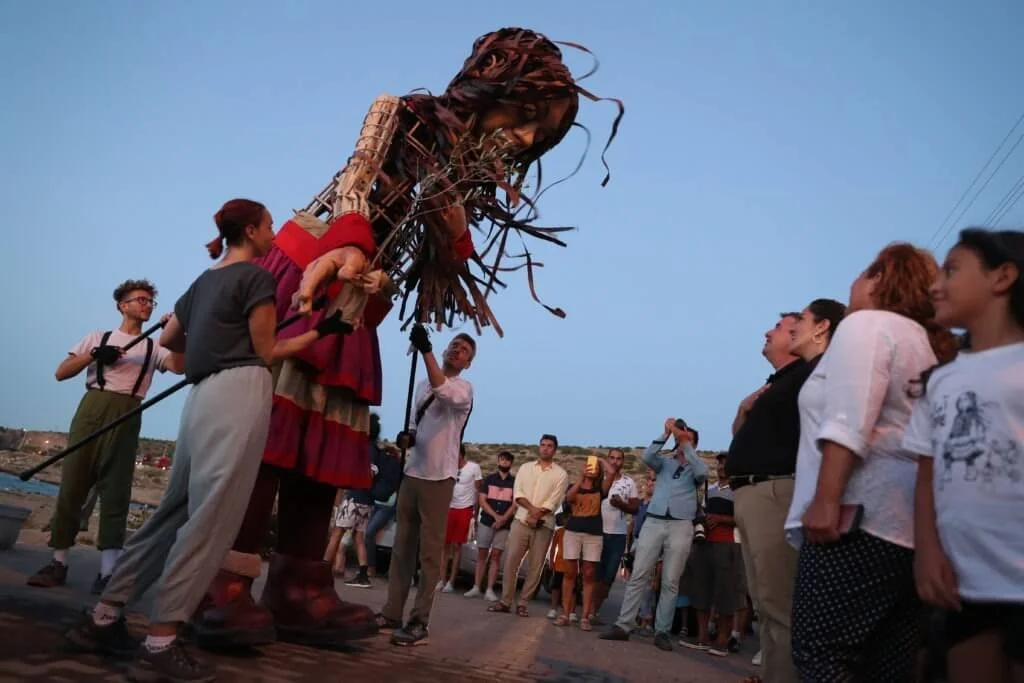
Çeşme, Izmir, Turkey - August 8, 2021
Little Amal walks among the audience and salutes the mayor of the city during “The Walk.”
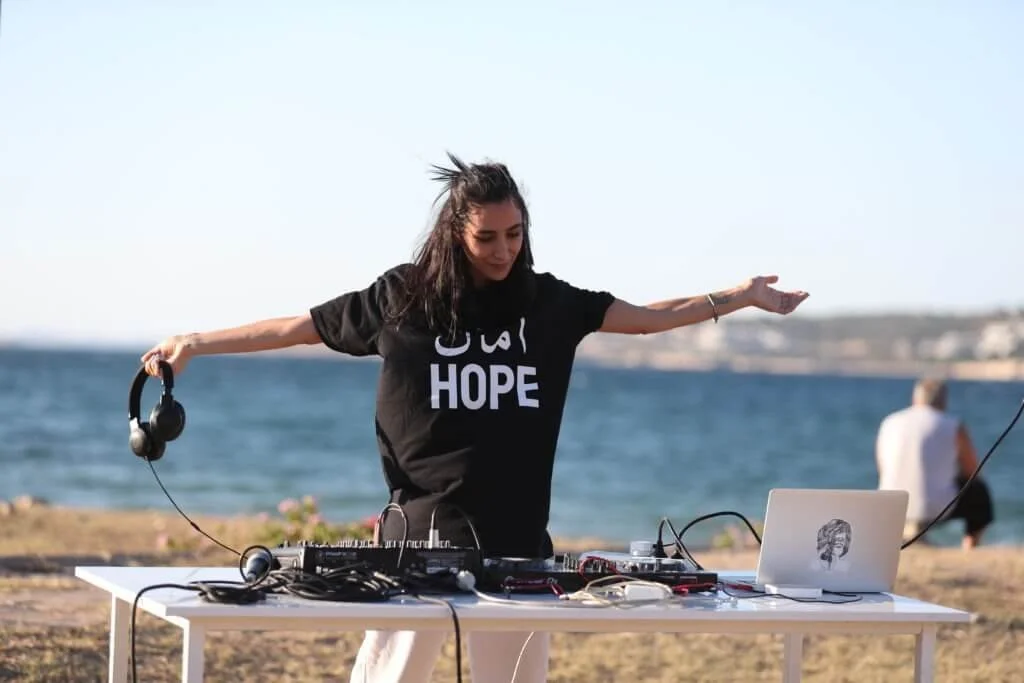
Çeşme, Izmir, Turkey - August 8, 2021
The Syrian DJ OM. EL BEAT (Boutul) prepares her equipment to play an electrifying mix of Syrian and Turkish tracks to underscore Little Amal’s farewell from Turkey.
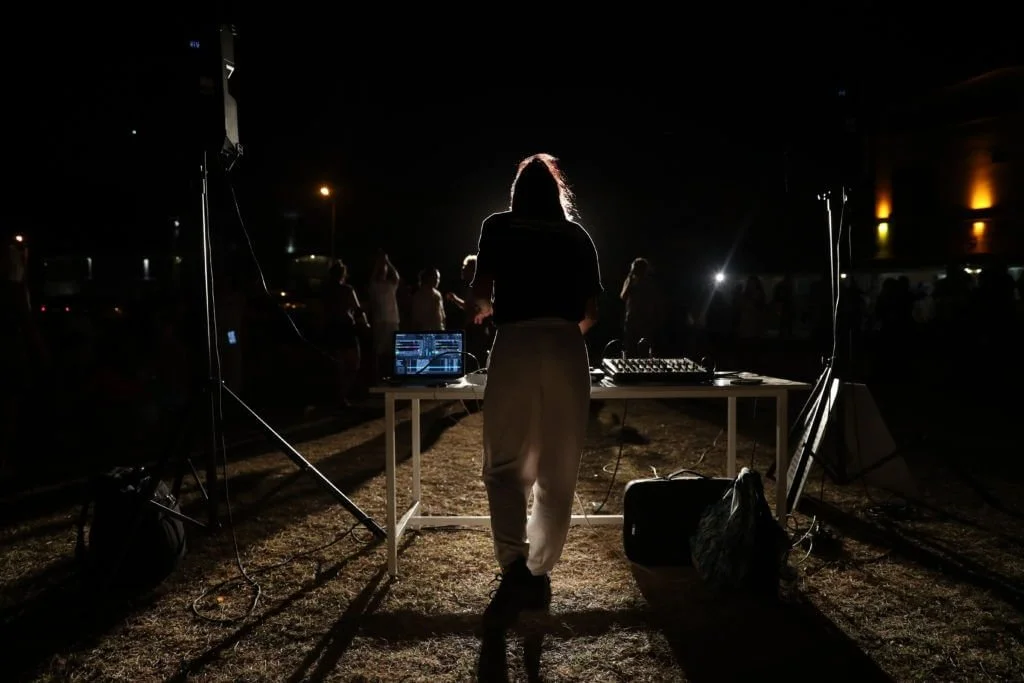
Çeşme, Izmir, Turkey - August 8, 2021
The Syrian DJ OM. EL BEAT (Boutul) plays an electrifying mix of Syrian and Turkish tracks to underscore Amal’s farewell from Turkey.
About the Photographer
Bassam Khabieh is an internationally recognized Syrian photographer who documented war crimes and other ongoing human rights violations for eight years during the Syrian war while working for Reuters. His images have been published in the Guardian, the Atlantic, the New York Times, the Washington Post, and Time magazine. Bassam has also consulted for UNICEF and the World Health Organization. He was awarded the Robert Capa Gold Medal in 2015 and in 2018 was named a fellow at the Oak Institute for Human Rights at Colby College, where he taught photography and human rights. Bassam returned to Turkey after finishing his fellowship, where he continues to cover Syrian news and works with journalists and researchers reporting on Syrian refugees in Turkey.
To see more of Khabieh’s work from Syria, order his book Witnesses to War: The Children of Syria.
All proceeds benefit Karam Foundation in support of Syrian refugee youth.