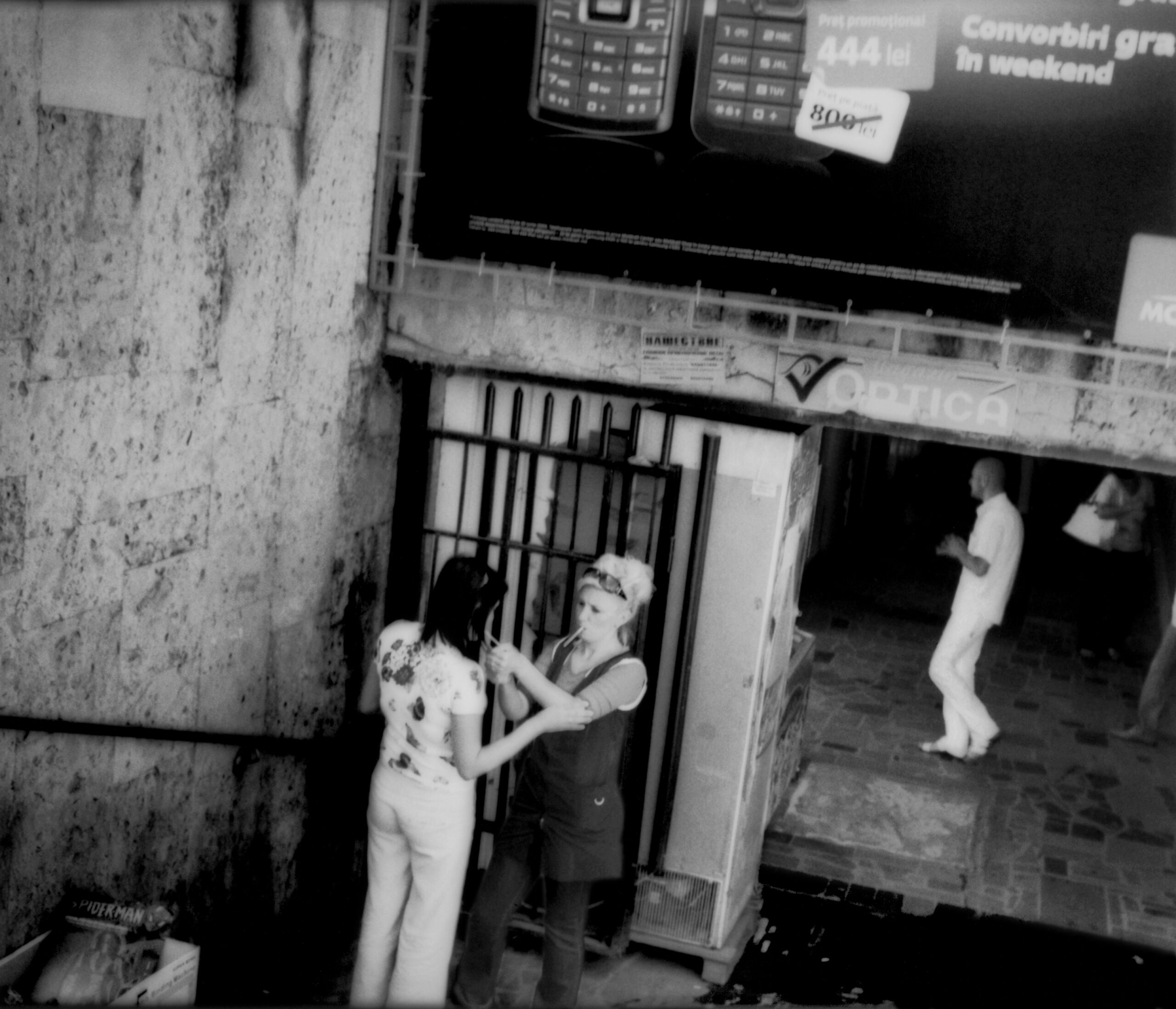
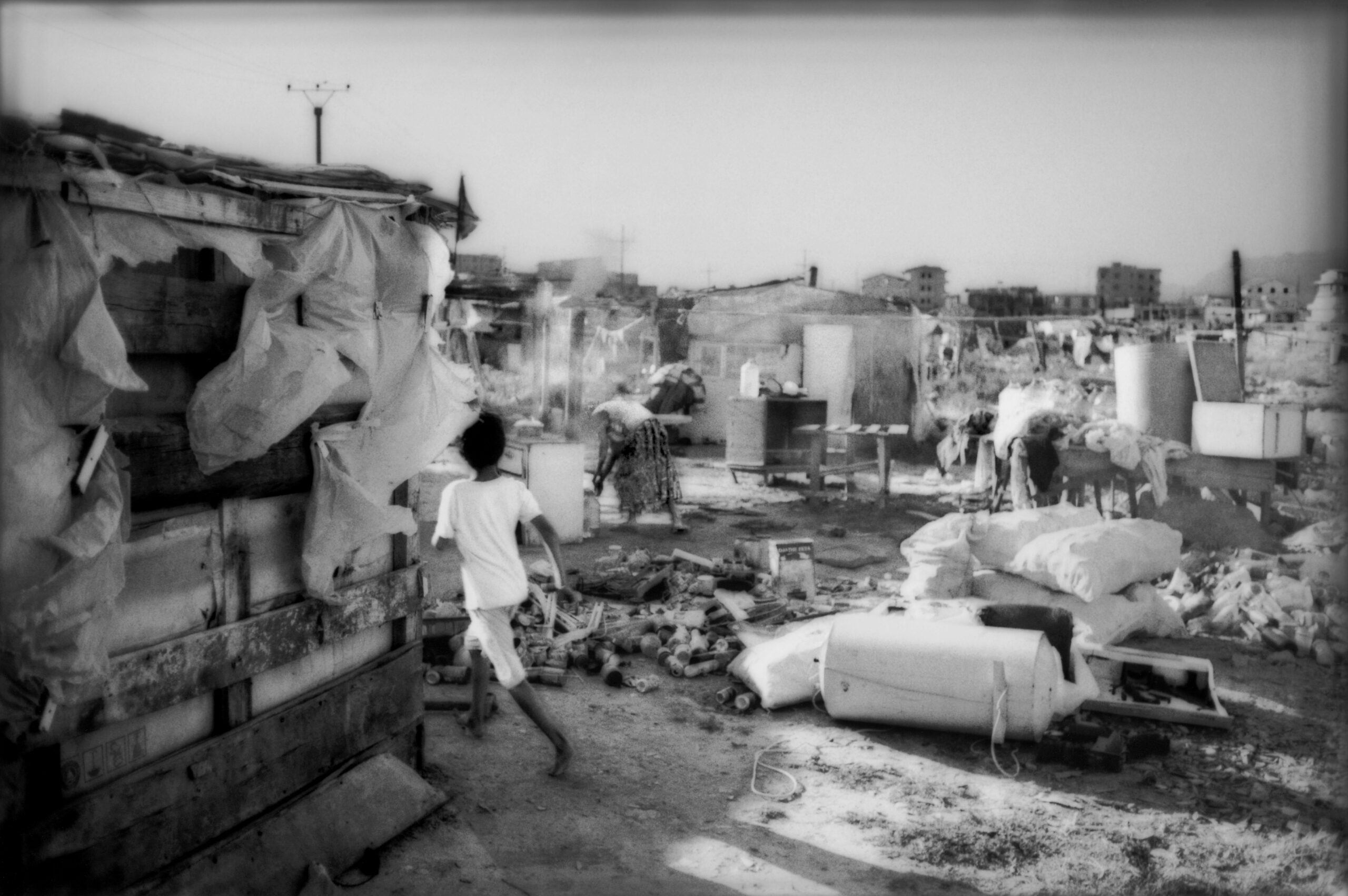
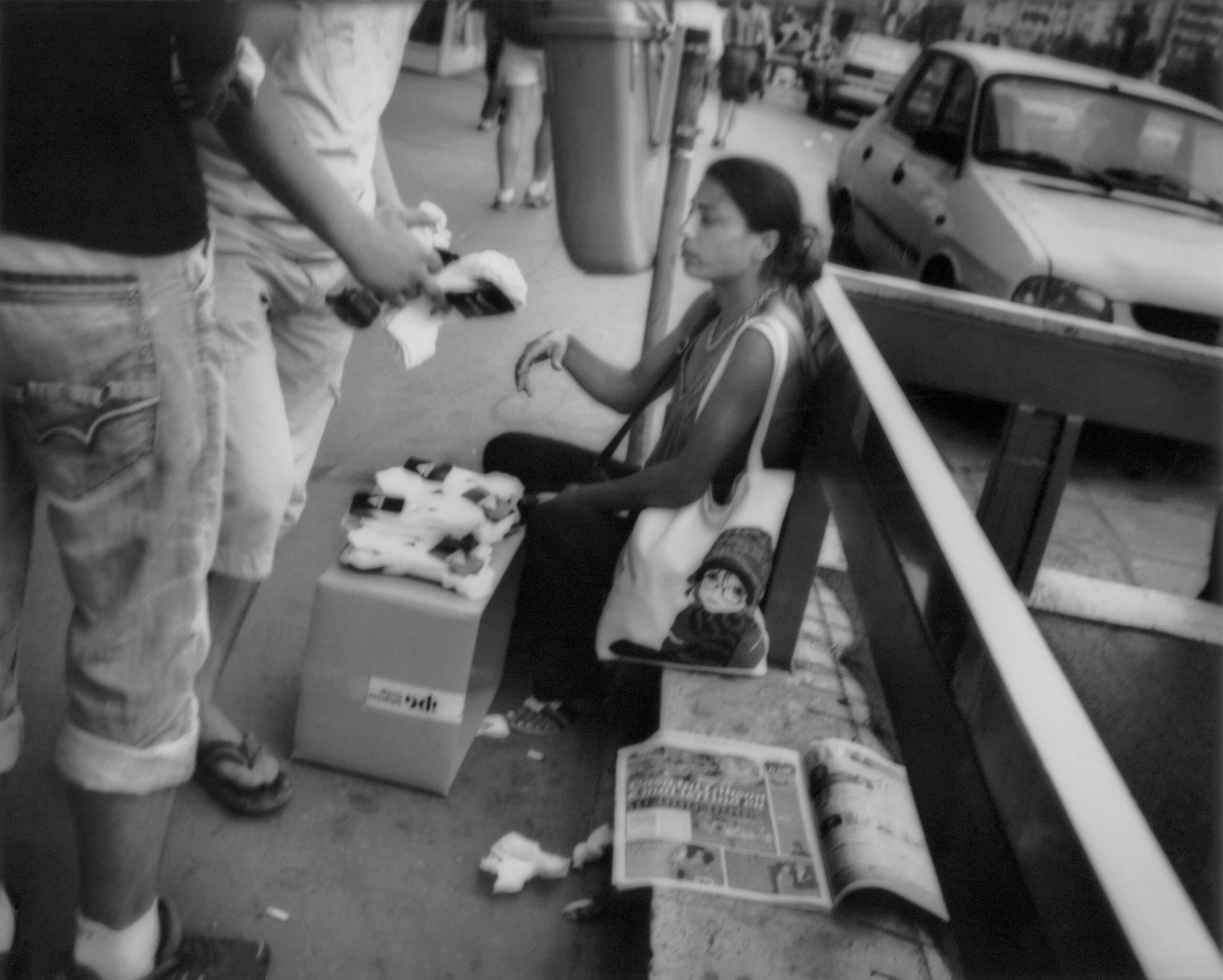
At what cost
About the Project
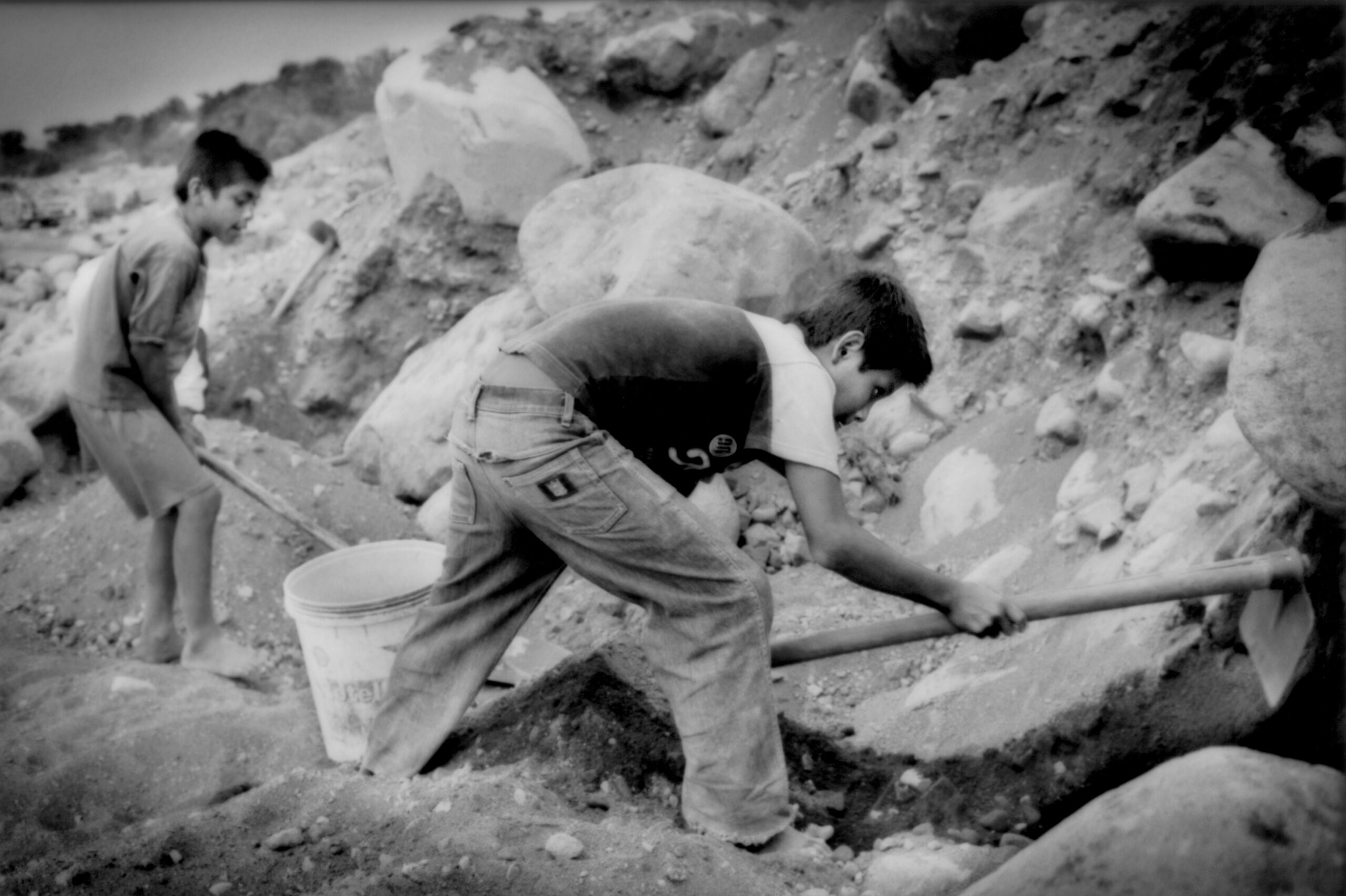
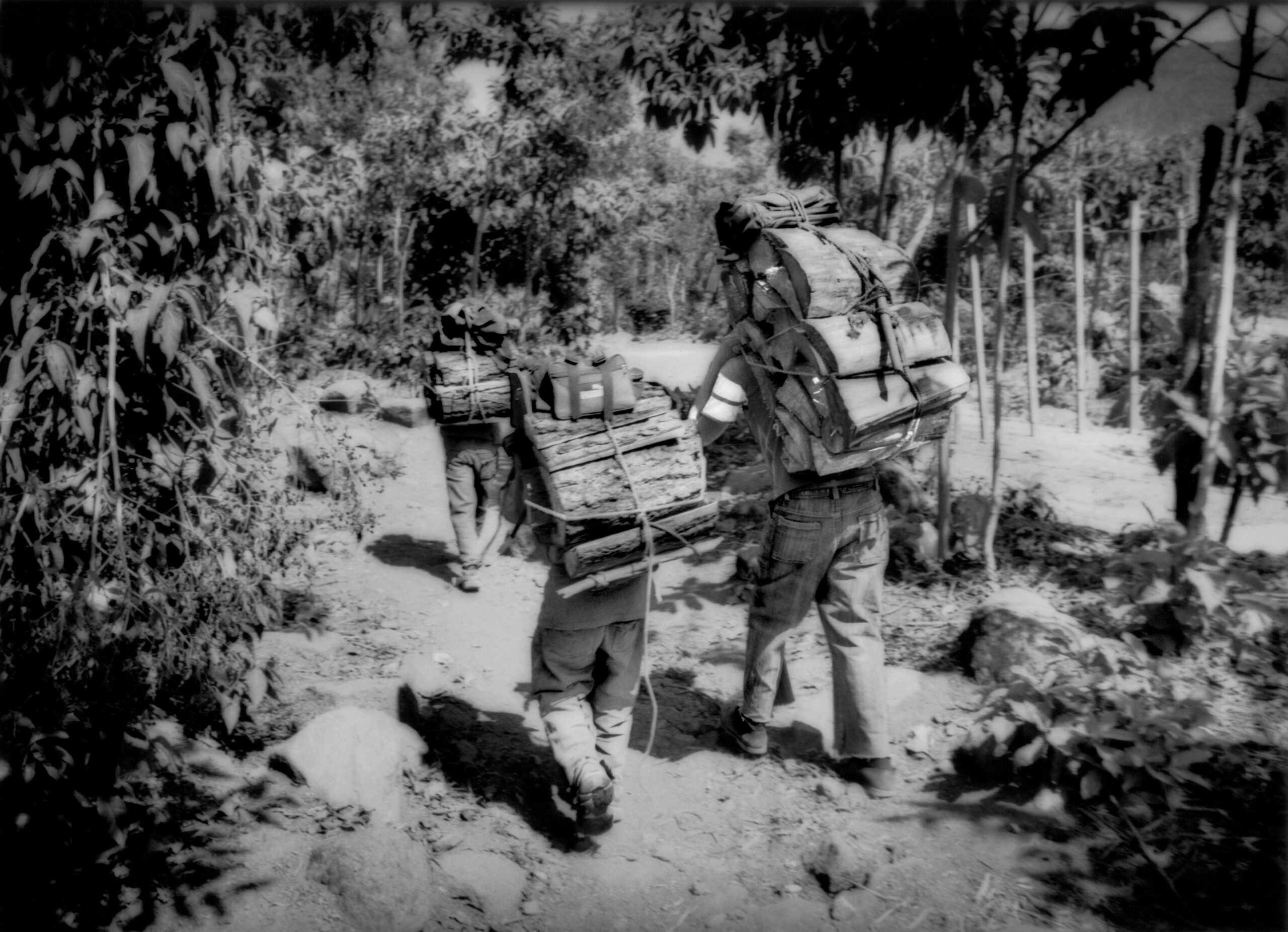
Through his photographs and the accompanying essays, James Whitlow Delano chronicles the lives of individuals from the Dominican Republic, Haiti, Moldova, Albania, Romania, Guatemala and Florida, where young men work in sugar cane, women are trafficked into the sex industry, children labor in coffee, and men and women are forced into tomato production. At What Cost presents case studies of these situations to raise public, political and media attention to the ongoing global labor rights crisis. The exhibition also provides information about the immediate ways in which viewers can work to change the global labor problem. Despite being produced over a decade ago, the same industries that Delano documents continue their unethical, exploitative and abusive labor practices today. These industries include sugar cane production in the Dominican Republic, where field workers do not have access to housing, pensions, and healthcare. They work over 14 hours per day and get paid around RD$200 ($3.72 USD) per ton of sugarcane harvested. Despite being aware of the working conditions that these workers face, many countries still import sugar from the Dominican Republic, mainly the United States which received 100% of official exports from the Dominican Republic, totaling 212,533 metric tons of sugar, according to the US Department of Agriculture.
In order for working conditions, wages, and benefits to improve for some of the industries mentioned in this exhibit and for others to be banned and criminalized, the US and other major beneficiaries of such labor, need to demand change and stop participating in unethical and exploitative trade. The key to enacting this change is to educate people on where their food and other items come from, as well as the harmful and violent labor conditions that people around the world are facing.
about the artist
James Whitlow Delano is an American documentary storyteller based in Tokyo.
Sound Story
The AWP team and an outstanding group of creative partners have compiled At What Cost interviews from Immokalee, Florida to create a sound story chronicling the lives of several farmworkers. Data and statistics courtesy of The Coalition for Immokalee Workers and Oxfam America, from their 2004 report Like Machines in the Fields: Workers without Rights in American Agriculture.
VOICE ACTORS: Claudia Renteria, Narrator; Berto Herrera, Actor; Rafael Vargas, Actor
MUSIC: Adrian Alcantar, Laura Cambrón, Camilo Rincón, Jaime Garza
SOUND DESIGN: Time Konn, Producer; Erik Widmark, Sound Engineer; Another Country
At What Cost Sound Story (7 min. video)
Public Programs
November 20, 2013
Speakers: Jacqueline Bhabha, FXB Center for Health and Human Rights; Nancy Donaldson, ILO; Roger-Claude Liwanga, FXB; and Anne Stetson, FXB
November 13, 2013
In partnership with Francois-Xavier Bagnoud Center for Health and Human Rights
September 15, 2012
bring this exhibit to you
All of our exhibitions are designed to tour and can be adapted to a broad spectrum of venue types and sizes.
We are happy to provide step-by-step support for hosting this exhibit.
Contact us to learn more about bringing this exhibit to your community.
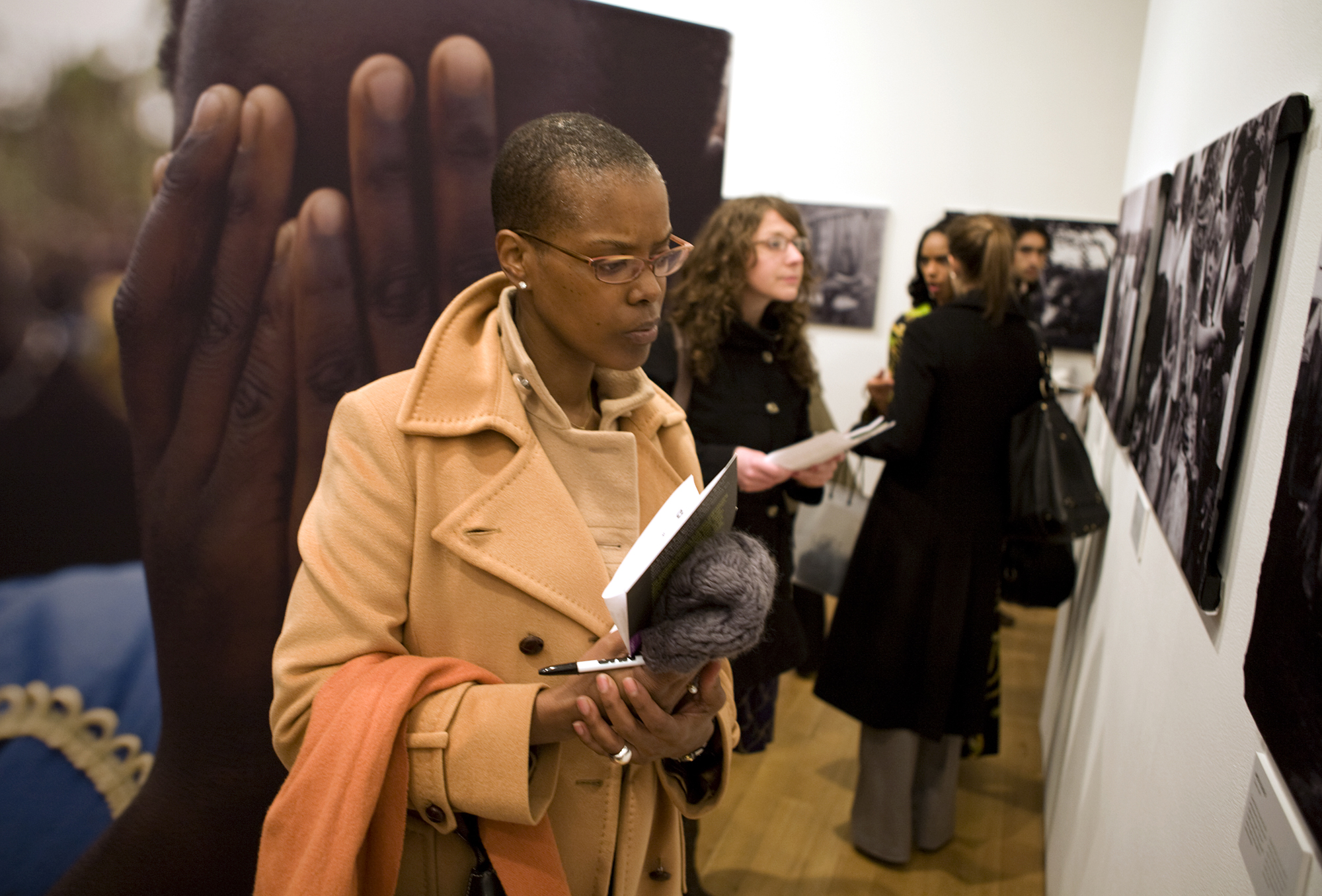
New York installation of Congo/Women
resources & tools
Learn more about the issues presented in this exhibit and the ways that you can stay informed and get involved.
News
April 2022: US Department of Agriculture released a report on sugar production in the Dominican Republic.
July 2020: Scholars from Northeastern and Harvard University examined the impacts of COVID-19 on farmworkers in Immokalee, Florida.
October 2011: The New York Times published an article detailing the motivations and process behind this exhibit.
Ethical Consumer
The Ethical Consumer is an online resource providing facts and recommendations for how to ethically consume food and drink (and many other products).
Stats
The International Labour Organization provides news and data about labor and employment by country and region.
partners & funders
At What Cost is generously supported in part by:
USA
- Ann Jordan, Director of the Program on Forced Labor and Trafficking in the Center on Human Rights and Humanitarian Law at American University’s Washington College of Law
- International Labor Organization
- International Labor Rights Fund
- Office to Monitor and Combat Trafficking in Persons (G/TIP), US Department of State
- The Solidarity Center
- UNICEF
- UNIFEM
Dominican Republic and Haiti
- International Organization for Migration, Dominican Republic
- Dominican-Haitian Women’s Movement MUHDA
- Servicio Jesuita a Refugiados y Migrantes
- Centro Dominicano de Asesoria e Investigacion Legal (CEDAIL)
Moldova
- International Organization for Migration, Moldova
- La Strada Albania
- All Together Against Child Trafficking: BKTF Coalition
- Terres des Hommes Albania
Romania
- Terre des Hommes Romania
Italy
- On the Road
- Save the Children Italy
Florida
- Coalition of Immokolee Workers
- Florida Immigration Advocacy Center
Guatemala
- Rainiero Lec
Asociacion Conrado de la Cruz - Catholic Relief Charities
- Centro Ecumenico de Integracion Pastoral, CEIPA
- Global Greengrants/Elmer Lopez